Can Dogs Eat Blueberries? A Vet Nutritionist's Take on Portions, Prep, and When to Hold Back
Medically reviewed by Justin Shmalberg, DVM, CVA, ACVN, ACVSMR — For general education — not a substitute for veterinary care.
Yes, dogs can eat blueberries — the real questions are how many, how often, and whether your dog's gut can handle the fiber.
On this page
My corgi patients have a type, and at the farmers market last August one of them found hers: a paper carton of blueberries left at knee height while her owner haggled over peaches. She had three berries down before anyone noticed, tail going like a metronome, and her owner’s first question wasn’t “is this an emergency” — it was “can she keep having these.” That second question is the more interesting one, and it’s the one I want to actually answer instead of just waving it off with a reflexive yes.
The short version, and why it’s not the whole story
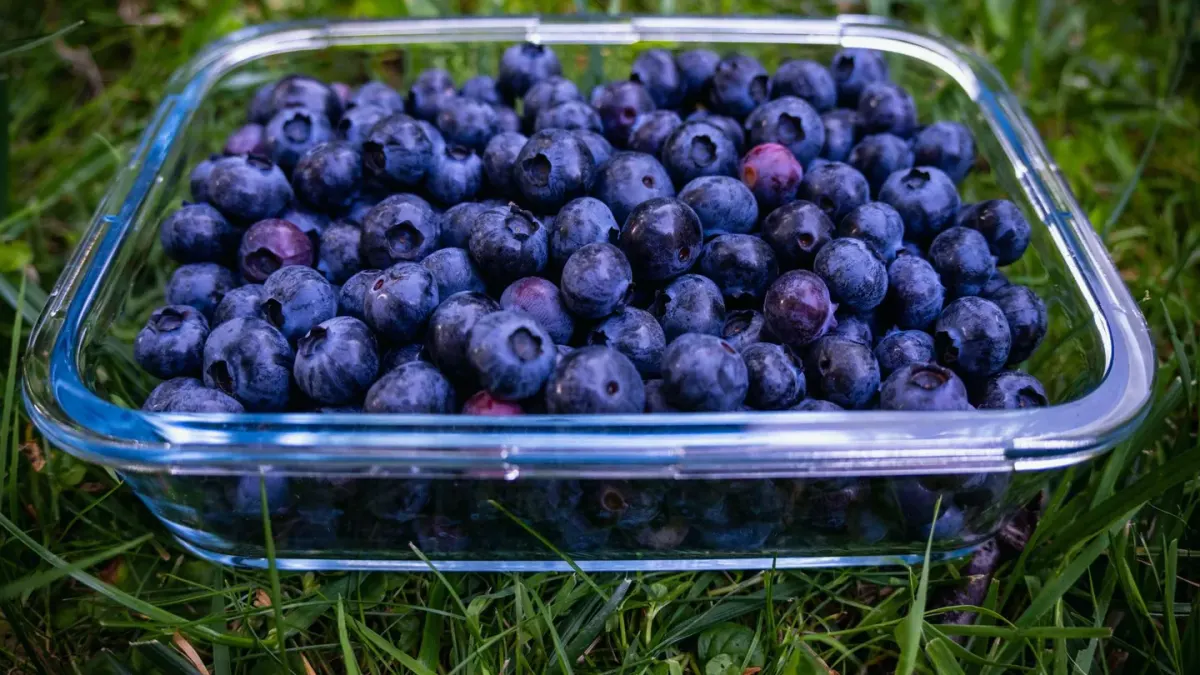
Dogs can eat blueberries. They are not on the ASPCA’s list of foods to avoid feeding pets, and the American Kennel Club lists them as a reasonable low-calorie snack for most healthy adult dogs; PetMD echoes this guidance. That’s the whole answer for a dog that grabs two or three off the floor. It’s not the whole answer for the dog who gets a quarter-cup dumped in the bowl every night because an owner read that antioxidants are good and stopped reading there. Portion, frequency, and the individual dog’s gut all change the calculus, and that’s the part worth working through.
What a blueberry actually brings to the bowl
Strip away the marketing language and a blueberry is mostly water, a modest amount of fiber, and a fairly low sugar load compared with most fruit. The AKC notes they’re a source of vitamin C, fiber, and phytochemicals, and low enough in calories that a small handful doesn’t meaningfully dent a dog’s daily energy budget the way a slice of cheese would. Here’s what I won’t do: promise that a blueberry treats or reverses anything. What I will say is that a low-calorie, fiber-containing fruit is a defensible substitute for a higher-fat commercial treat, and that’s a real, if modest, win for a dog carrying extra weight or an owner trying to trim treat calories without trimming treat frequency.
How to serve them without turning a treat into a stomach ache
Don’t hand over a whole carton and call it done. A few habits keep this simple and safe:
- Wash them first. Pesticide residue and dirt are the more common culprit behind a mild GI upset blamed on “the berries,” not the fruit itself.
- Start with a small number — three to five for a small dog, closer to eight to ten for a large dog — before making it a routine.
- Skip anything canned, sweetened, or packed in syrup. Plain fresh or frozen only.
- Mash or halve them for small dogs and puppies if choking is a concern; whole berries are an unusual but real hazard in tiny mouths.
Frozen blueberries deserve a specific mention because owners love them as a warm-weather treat, and there’s nothing wrong with that. Cold doesn’t cancel out fiber or sugar content, so the portion math stays the same either way.
A client’s older Lab spent one whole July eating frozen blueberries off the patio like popcorn, a small ritual her owner leaned on for enrichment during the heat. It worked, until the week the bag ran low and the owner started rounding portions up to make the ritual last, and the dog’s stool went soft for three or four days. Nothing dramatic, no vet visit, just a reminder that a treat scaled for interest instead of appetite is still a treat that adds up. I bring this up because it’s the pattern I see most often with fruit and vegetable treats generally, not a warning specific to blueberries: the food itself is fine, and the volume is where things go sideways.
How much fiber is too much, and who should be more careful
Fiber is genuinely useful to a lot of dogs, and pumpkin fiber is a familiar example of a gentle, natural source of both soluble and insoluble fiber that many owners already reach for. Blueberries add to that same fiber load, though, and a dog already eating a fiber-supported diet or dealing with a sensitive gut doesn’t need a second stacked source on top. If you want a deeper look at where the fiber line actually sits, our fiber overload breakdown walks through the volume where more stops helping and starts causing loose stool.
Dogs with exocrine pancreatic insufficiency are a clearer case for caution. That condition is managed with pancreatic enzyme replacement therapy, nutritional management using low-residue diets with moderate fat content, and cobalamin supplementation, according to a review in the Journal of the American Veterinary Medical Association — a diet built around low residue isn’t one you casually stack fruit fiber onto. Dogs already on a probiotic or working through chronic loose stool are another group worth a second thought. Research in Frontiers in Veterinary Science found that gut microbiome diversity metrics did not distinguish which dogs responded to probiotic support and which didn’t — a reminder that individual gut response is harder to predict from the outside than any label promises. If your dog fits either picture, a small handful of blueberries is a conversation for your vet, not a default.

The dogs who should skip them or check first
Puppies with immature digestive systems, dogs with a history of pancreatitis who need tight fat and fiber control, and any dog mid-flare on a diagnosed GI condition are the group I’d rather see get a vet’s sign-off before blueberries become a habit. None of that makes blueberries dangerous. It just means “safe in general” and “safe for this specific dog, right now” are two different questions, and only one of them is answerable from a search result. If you’re already navigating a broader diet change — say, moving a senior dog onto a new food — our guide on switching an older dog’s diet covers how to introduce anything new, fruit included, without upsetting a gut that’s already adjusting. And if the appeal of blueberries was really about finding a produce-aisle treat that does something useful, it’s worth comparing them against sweet potato, which brings a different, starchier kind of fiber to the same job.
So where does that leave the corgi and her stolen berries? Fine, as it happens — three berries off the floor was never the issue. The better question her owner asked, and the one worth asking before any produce becomes a nightly ritual, is what a small handful actually adds to that particular dog’s day, and whether it’s worth the fiber. What would you rather your dog’s treat jar be doing: adding calories, or replacing them?
Frequently asked questions
Can dogs eat blueberry muffins or blueberry-flavored yogurt?
Not as a reliable source of the fruit's benefits. Muffins carry added sugar and fat, and many flavored yogurts contain xylitol or sweeteners. Plain fresh or frozen blueberries are the version worth feeding.
Are blueberries a better treat option than grapes?
For most dogs, yes. Grapes and raisins are on the ASPCA's list of foods to avoid feeding pets, while blueberries are not, which makes them one of the more defensible fruit swaps for training treats.
Sources
- Can Dogs Eat Blueberries? Are Blueberries Good For Dogs? — American Kennel Club
- People Foods to Avoid Feeding Your Pets — ASPCA
- Can Dogs Eat Blueberries? Benefits and Risks — PetMD
- Exocrine pancreatic insufficiency in dogs and cats — Journal of the American Veterinary Medical Association
- Probiotic response and gut microbiome diversity in dogs — Frontiers in Veterinary Science