Cooling Options for a Thick-Coated Breed at Home
A vet's comparison of shade, airflow, cooling gear, and grooming myths for keeping a husky cool at home in summer — what actually lowers body heat and what just feels like it does.
Keeping a husky cool in summer at home comes down to shade, airflow, water, and timing outdoor time.
On this page
Keeping a husky cool in summer at home comes down to shade, airflow, water, and timing outdoor time — not one clever product. Families usually come to this question already worried, watching a dog pant hard on the porch and wondering if something is wrong with the coat itself. It isn’t. That thick double coat is doing its job; the job just gets harder once the thermometer climbs, and the fixes that actually help are quieter than the ones marketed the loudest.
Why a husky’s coat complicates cooling
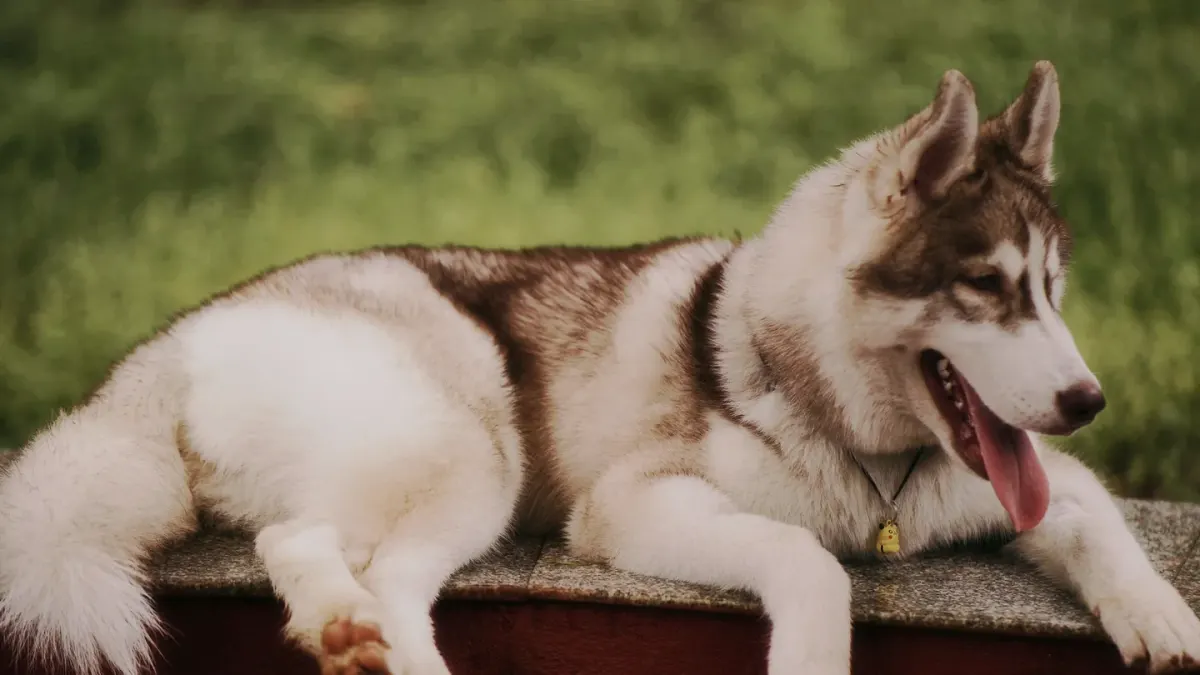
A husky carries two coats at once: coarse, water-shedding guard hairs on top, and a dense woolly undercoat pressed close to the skin. Together they trap a thin cushion of air that slows heat moving in either direction — insulation against cold in January, and a buffer against direct sun in July. The guard hairs also reflect light rather than absorbing it, which is part of why a husky’s skin sunburns less easily than a short-coated dog’s. None of that means the coat can’t be overwhelmed. It means the fixes that work with the coat’s design beat the ones that fight it.
Shade and airflow versus air conditioning
Compare the two most common cooling instincts side by side. Air conditioning lowers ambient temperature evenly and is the single most reliable option if the house has it — a crated or free-roaming husky in a 72-degree room is simply not fighting the heat the same way one panting on a sun-baked patio is. Shade paired with a moving fan is the next best thing, and it’s genuinely close: a dog lying in shade with a cross-breeze loses heat through evaporation off the tongue and skin almost as effectively as one in a still, air-conditioned room without airflow. What doesn’t compare well is shade alone, with no air movement — heat just sits on a dense coat with nowhere to go.
Cooling mats and vests versus a wet towel
A gel-filled cooling mat or a soak-and-wear cooling vest can genuinely help, and there’s nothing wrong with owning one. But weighed against something as ordinary as wetting the coat down with a hose and standing the dog in front of a fan, the mat usually loses on cost-per-degree. Evaporative cooling — water plus moving air — pulls heat off the skin directly; a mat mostly buys comfortable contact with a cool surface for as long as the dog stays lying on it. Both are reasonable. Neither is a substitute for shade, water, and rest during the hottest hours.
Frozen treats and water versus free feeding
Hydration matters as much as temperature here, and a husky that’s panting hard is losing water fast. Ice cubes in the water bowl, a frozen broth treat, or a chilled slice of a dog-safe vegetable can encourage a reluctant drinker better than a full bowl left sitting in the sun. If you’re building frozen treats at home, our guide to sweet potato as a dog treat covers safe prep and portions for exactly this kind of use. Compare that to simply leaving food and water out and hoping — appetite tends to drop in heat, so a dog who won’t eat a normal meal may still take a cold, flavorful treat.
A short paragraph is worth pausing on here: don’t skip water access just because a dog seems disinterested in it.
Shaving versus brushing: the coat myth
This is the comparison most owners get backwards. Shaving looks like an obvious fix and it isn’t one — as groomers and the AKC both note, removing the undercoat strips out the insulating air layer and the sun protection the topcoat provides, and the regrowth can come in patchy or damaged. Regular brushing to pull out loose, matted undercoat does the opposite job well: it keeps air moving through the coat instead of trapping heat against the skin, without giving up any of the coat’s protective structure. If shedding season and heat overlap, brushing more often is the better lever to pull, not clippers.
Adjusting exercise instead of skipping it
A husky bred for cold-weather endurance work still needs to move, so the comparison isn’t exercise versus no exercise — it’s timing. Early morning and evening walks, done on grass rather than sun-heated pavement, let a husky get real activity in without the risk that comes with midday heat. For a dog already carrying joint stiffness alongside heat sensitivity, our piece on hyaluronic acid for dog joints is worth a look, since arthritic dogs often overheat faster during exertion. Some dogs also get genuinely anxious or restless in heat the way they do during storms; if a husky seems keyed up rather than just hot, the comparison in chamomile vs. L-tryptophan for calming dogs may help sort out whether calming support is the missing piece.
Recognizing when it’s more than discomfort
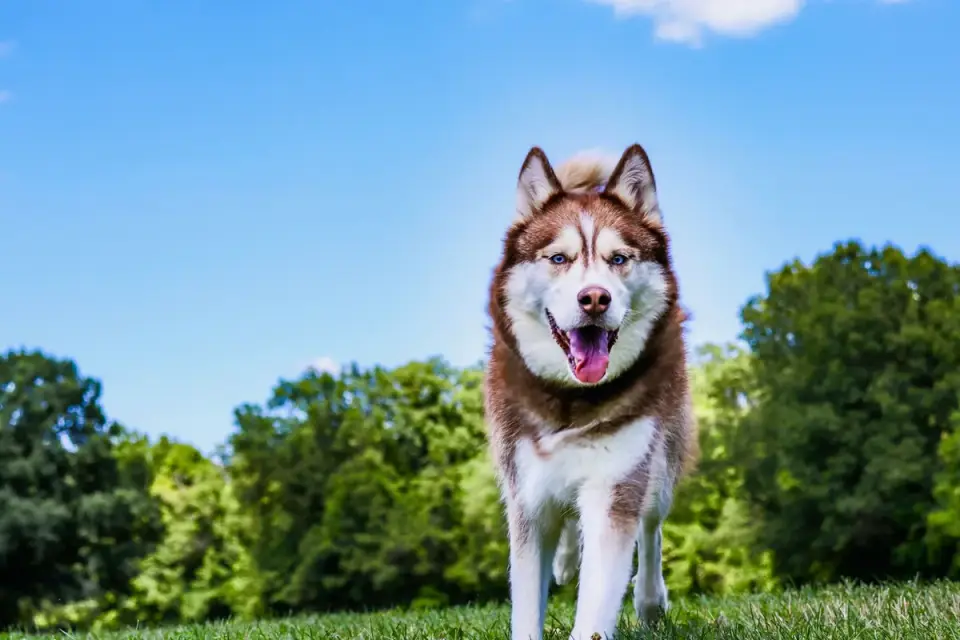
Heat stress and heatstroke sit on a spectrum, and the AVMA advises owners to learn the early signs with their own vet rather than guess in the moment. Heavy panting, bright red or unusually pale gums, drooling, and lethargy are the early warnings; disorientation, stumbling, vomiting, or collapse mean the dog needs emergency care, not another few minutes in the shade. According to VCA Animal Hospitals, body temperatures climbing past 106°F are commonly associated with heatstroke, and the higher it climbs, the more organ systems are at risk. If a husky ever reaches that point, cool the dog gradually with room-temperature (not ice-cold) water and get to a veterinarian right away — home cooling is a bridge to care, never a replacement for it.
For most families, most summer days, the plan is far less dramatic than that worst case: watch the dog, not just the thermometer, and lean on the combination of shade, moving air, water, and rested timing that the coat was already built to work with.
Frequently asked questions
Should I shave my husky's undercoat to help him stay cool?
It's understandable to want to, but the evidence points the other way. The undercoat traps a layer of air that slows heat gain and reflects sun off the guard hairs, and shaving it removes that buffer along with the sun protection the coat gives the skin underneath. Regular brushing to clear the loose undercoat does more good than a clip ever will.
Is a cooling mat or vest worth buying for a husky?
A gel cooling mat or a wetted cooling vest can take the edge off on a warm afternoon, and there's no harm in offering one. Just don't let it replace the basics — shade, airflow, and fresh water still do most of the work, and a mat won't help much once a dog is already showing real heat stress.
What temperature is genuinely risky for a husky?
Huskies tend to get uncomfortable earlier than short-coated breeds because of that dense undercoat, so treat anything above the mid-80s Fahrenheit with humidity as a day to shorten walks and stay near shade and water. The dog's behavior — slowing down, seeking shade unprompted, heavy panting — is a better guide than the thermometer alone.
How fast can heatstroke set in?
Faster than most families expect, sometimes within minutes of hard exercise or being left in a parked car. If panting turns to weakness, disorientation, or collapse, that's an emergency and the safest move is to cool the dog gradually with room-temperature water and go straight to a vet rather than waiting to see if it passes.
Sources
- Is It OK to Shave Your Dog's Coat in Summer? — AKC
- Warm weather pet safety — AVMA
- Heat Stroke in Dogs — VCA Animal Hospitals