Dog Stomach Upset After Switching to Raw Food: What's Normal, What's Not
Softer stool when you switch your dog to raw food is usually a pacing issue. Here's how to transition gently, where probiotics fit, and the red flags that mean call your vet.
If your dog has a stomach upset after switching to raw food, here's what's happening and how to help.

On this page
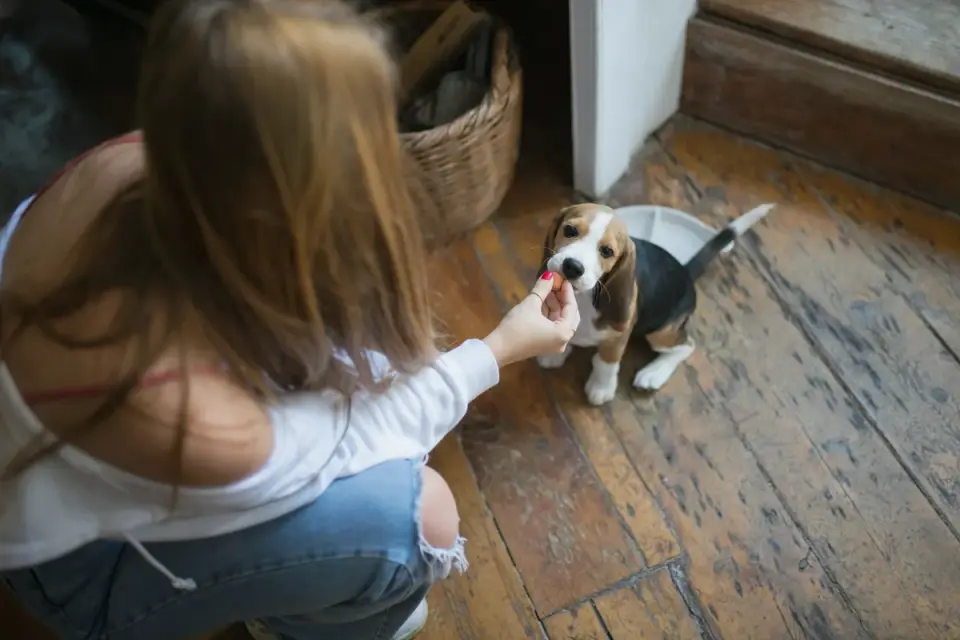
Most of the time, a stomach that turns fussy when you move your dog onto raw food is doing something ordinary: adjusting. The gut’s being asked to digest a different balance of protein, fat, and bone than it’s used to, and for a few days it protests with softer stool, a little gas, maybe a skipped meal. That’s usually a pace problem, not a diet failure, and the fix is almost always to slow down. What matters most is telling apart the normal, self-limiting grumble from the handful of signs that mean you should stop and call your veterinarian.
What’s actually happening in there
Your dog’s digestive system is built to match its habits. The pancreas tunes the enzymes it releases to the food it sees most often, and the community of microbes in the gut settles into whatever it’s been fed. When you swap a starchy, cooked diet for raw meat and bone, you change both jobs at once, the enzyme mix and the microbial balance, and the body needs time to catch up. Veterinary reviews of digestion describe how enzyme output and nutrient absorption depend on the pancreas working in step with the diet; that same literature notes that when the machinery genuinely fails, as in exocrine pancreatic insufficiency, dogs need medical treatment rather than a slower bowl.
In Chinese food-therapy language, this is the spleen and stomach relearning a whole new task. Give them a gentle on-ramp and they usually manage it. Rush them, and you get the loose, urgent stool that sends owners back to the internet at midnight.
Go slow, the pace that prevents most upset
The single most useful thing you can do is stretch the change over more days than you think you need. A common veterinary approach to any food switch is a gradual blend: the American Kennel Club suggests roughly 25% new food on day one, 50% by day three, 75% by day five, and 100% by about day seven. For raw specifically, a lot of dogs do better with an even longer runway of seven to ten days, and a sensitive dog longer still.
Read the stool, not the calendar
Let your dog’s output set the speed. If stool stays formed, keep nudging the ratio up. If it loosens, that’s your cue to step back to the last blend that agreed with them, hold there a couple of days, then try again more gently. There’s no prize for finishing in a week.
A few small mechanics that help
Feed the two foods as separate meals rather than one mixed bowl if your dog gulps, keep portions modest through the change, and hold off on new treats, chews, or toppers until the base diet’s settled. Changing one variable at a time makes it far easier to see what your dog is telling you.
Where probiotics and gentle fiber fit
This topic sits in the “may help support” column, not the “cure” column. A 2026 pilot study in dogs with diarrhea found a three-strain probiotic was well tolerated with no adverse events, and eight of eleven dogs improved, but the same study was candid that its microbiome “diversity metrics did not distinguish non-responders from responders.” Read plainly, that means a probiotic is a reasonable, low-risk thing to try during a transition, yet it isn’t a guarantee, and it won’t rescue a switch that’s simply moving too fast.
Fiber plays a quieter, food-therapy role. A spoon of plain pumpkin or another gentle source of soluble fiber can help firm up soft stool by adding bulk and slowing the gut down; think of it as support, not medicine. If you reach for something extra, match it to the problem you actually see rather than stacking three products at once.
The food-safety part people skip
Raw feeding carries a handling risk that has nothing to do with your dog’s stomach and everything to do with your kitchen. The FDA and CDC don’t recommend raw diets, and veterinary nutrition groups such as Tufts point out that all forms of raw pet food carry a risk of contamination, with pathogens like Salmonella and Listeria turning up in testing again and again. Whatever you decide, wash hands, bowls, and surfaces after every meal, and think twice if anyone in the home is very young, pregnant, elderly, or immune-compromised.
When upset means call your vet
Slow and steady handles the ordinary cases. These don’t wait:
- Blood in stool or vomit, black tarry stool, or repeated vomiting
- Lethargy, a painful or bloated belly, fever, or refusing both food and water
- Diarrhea that runs past 48 to 72 hours even after you back off the transition
- A young puppy, a senior, or a dog with a chronic illness, smaller margins, so call sooner
- Greasy, high-volume stool and weight loss that linger well after the switch, which can point to a real absorption problem like exocrine pancreatic insufficiency and needs a diagnosis, not more patience
Quick recap
A queasy belly during a raw switch is usually a pacing issue: go slower, let the stool set the speed, add a probiotic or a little pumpkin as gentle support rather than a fix, and keep your raw-food hygiene tight. Save the worry for blood, lethargy, a belly that hurts, or trouble that outlasts a careful, unhurried transition, and let your veterinarian take it from there.
Frequently asked questions
How long should switching my dog to raw food take?
Most dogs do best over seven to ten days, and a sensitive stomach longer still. A common blend is about 25% raw on day one, building to 100% near day seven, but let your dog's stool, not the calendar, set the pace.
Is diarrhea normal when switching to raw food?
A few days of softer stool or gas is common as the gut adapts. It becomes a concern if you see blood, it lasts beyond 48 to 72 hours, or your dog is lethargic, vomiting, or off food and water, in which case call your vet.
Do probiotics help a dog's stomach adjust to raw food?
They may help support the transition and are low-risk. A 2026 canine pilot study found a probiotic well tolerated with most dogs improving, though response varied, so treat it as support rather than a guarantee, and never a substitute for going slowly.
Can I switch my dog to raw food overnight?
It's better not to. An abrupt change is the most common reason for stomach upset; a gradual blend gives the pancreas and the gut microbes time to adjust.
Sources
- Exocrine pancreatic insufficiency in dogs and cats — Journal of the American Veterinary Medical Association (Cridge, Williams & Barko, 2024)
- Pilot study evaluating tolerability and changes in fecal microbiota associated with novel probiotic administration to dogs with diarrhea — Frontiers in Veterinary Science (Doshier et al., 2026)
- How to Switch Dog Foods: Transitioning Your Dog's Diet — American Kennel Club
- Raw Pet Food Risks: A Research Update — Tufts University Cummings School of Veterinary Medicine (Petfoodology)
- Get the Facts! Raw Pet Food Diets can be Dangerous to You and Your Pet — U.S. Food & Drug Administration