Workday Alone: Enrichment Ideas for Home Dogs
A comfort-first workday enrichment plan for dogs home alone, with safe food puzzles, sniffing, rest, and when to call your vet.
Coming home to a quiet, settled dog starts with a workday plan built for comfort, safety, and rest.
Leaving for work while your dog watches from the window can weigh on the whole family. You want the day to feel safe and settled for them, not long and lonely, and you want to come home to a dog who has rested well rather than worried all day.
For most healthy adult dogs, comfort during work hours comes from a predictable rhythm of movement, mental work, food, and long stretches of sleep. That rhythm may help support normal behavior and quality of life, though it does not treat separation anxiety or prevent every unwanted behavior.
What a long workday feels like from the dog bed
Dogs tend to rest much of the day when their needs are met, waking in bursts to sniff, chew, stretch, and check in. Vets often see trouble when a dog gets one rushed morning walk and then faces eight to ten hours with little to do, little to sniff, and no place that feels truly restful.
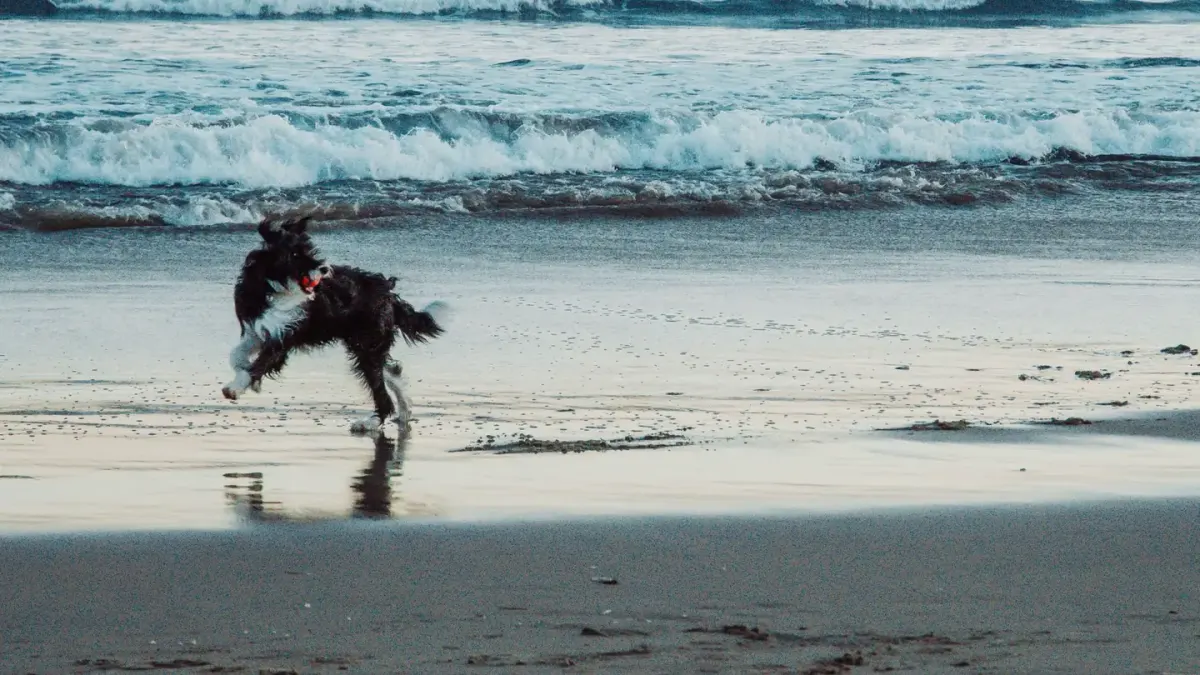
Leah noticed this with Bengy, her 7-year-old neutered male Poodle mix in Murrieta, California. He was not destructive, but he paced at the door each morning and spent evenings wired and whiny. What changed the pattern was not more toys. It was a calmer departure, a midday break three days a week, and a frozen lick mat offered on a washable rug before she left.
Start with safety, rest, and the morning exit
A tired body does not always mean a settled mind. A short sniffy walk, a bathroom break, fresh water, and five minutes of easy training often settle a dog more than a hard run that leaves them aroused right as you leave.
Keep departures low and quiet. Offer the food puzzle after you are dressed and ready, leave without a long farewell, and keep the same order each day. Guidance from the ASPCA on separation anxiety notes that calm arrivals and departures, paired with attention to signs of distress, help families tell normal boredom from a dog who may be struggling.
Set up one comfort station rather than the whole house. A crate or gated room with a bed, water, a chew, and white noise gives many dogs permission to rest. For ideas on shaping that space, How to Keep a Dog Entertained While You’re at Work walks through alone-time setups that still protect sleep.
Food work that ends before you are out the driveway
Food puzzles can be useful, and they work best when they are easy enough to finish. A dog who gives up may feel more frustrated, not more enriched.
Rotate through two or three options across the week. A snuffle mat with part of breakfast, a rubber puzzle stuffed with wet food and frozen overnight, or kibble scattered in a cardboard box with paper to nose through all invite sniffing and licking without much noise. Reserve hard chewing, like long-lasting chews, for when someone is home to supervise, and skip anything small, crumbly, or easy to swallow.
Older dogs often do better with softer textures and lower surfaces. Mitchell, who lives with Bambina, his 11-year-old spayed female American Staffordshire Terrier mix in Garland, Texas, found she ignored tall puzzle toys but would work a lick mat on the floor for about fifteen minutes before curling up for a three-hour morning nap. Senior-specific comfort ideas are covered in Enrichment for Senior Dogs: Keeping Aging Minds Sharp.
Sniffing, sound, and a view
Nose work tires a dog without tiring the joints. Hide three to five treats in the same two rooms each morning so your dog can succeed quickly, then rest. A window perch, a safe view of the street, or quiet classical music or talk radio at low volume gives background texture for dogs who like it.
Keep it simple. One scent game plus one sound or view is enough.
A short paragraph to carry with you. Rest is enrichment too.
If your dog naps most of the day and greets you softly in the evening, the plan is working.
The midday break and the after-work reset
If you work away from home, a midday visit, neighbor check, or dog-walker outing two or three times a week can break up a long day, especially for puppies, seniors, and dogs new to a schedule. Keep the visit brief and calm, with a potty break, fresh water, and a short sniff walk.
Evenings are for connection, not catch-up exercise. A relaxed walk where your dog can sniff, a few minutes of gentle play, and dinner from a slow feeder often prevent the late-night zoomies better than another intense session. For hot months, Enrichment That Keeps Dogs Cool in Hot Weather has low-heat options that fit after work.
When it stops being boredom
Boredom usually improves with routine, sleep, and appropriate outlets. Distress tends to repeat and escalate. The Merck Veterinary Manual describes how canine behavior problems often reflect unmet social, exercise, and mental needs, and why persistent vocalizing, house soiling, escape attempts, or self-injury deserve veterinary attention.
Call your veterinarian if you see panting, drooling, or pacing only around departures, damage near doors and windows, howling for much of the day on camera, loss of appetite when alone, or any sudden change in behavior. Video from a pet camera for two or three workdays, with timestamps, helps your veterinarian tell anxiety, noise fear, medical discomfort, and under-enrichment apart.
A workday shape you can keep
If I had to defend one choice for the working family, it would be this. Protect sleep and predictability first, then add small, finishable enrichment.
A shape that holds up for many dogs looks like morning sniff and potty, a frozen puzzle or snuffle breakfast, a calm exit, a quiet rest space, an optional midday break, and a gentle evening walk with connection. Puppies need more frequent breaks and simpler puzzles, and Age-Appropriate Enrichment for Puppies: What Actually Changes by Week explains how to adjust expectations by age.
You do not need a house full of toys. You need a day your dog can count on, with room to sniff, chew, and rest, and a plan to ask for help if worry keeps showing up at the door.
Frequently asked questions
How much enrichment does a dog need during an 8-hour workday?
Most adult dogs do well with a morning sniff walk, one finishable food puzzle, a restful confinement area, and an evening walk. Puppies, seniors, and anxious dogs often need a midday potty break as well.
Should I leave toys out all day while I am at work?
Leave one or two safe, simple items and rotate them. Remove small, crumbly, or swallowable toys and save hard chews for supervised time. Too many toys can keep a light sleeper aroused instead of resting.
How do I know if my dog has separation anxiety or is just bored?
Boredom often improves with routine and outlets. Repeated escape attempts, damage at exits, all-day vocalizing, drooling, or refusing food only when alone point toward distress. Record two or three days on camera and share the video with your veterinarian.
Sources
- Separation Anxiety — ASPCA
- Behavioral Problems of Dogs — Merck Veterinary Manual