Is Socializing Good Enrichment for Dogs?
Is socializing good enrichment for dogs? A neurologist explains when social time builds the brain — and when to choose calmer enrichment instead.
Socializing is good enrichment for dogs when contact stays calm, chosen, and recoverable.
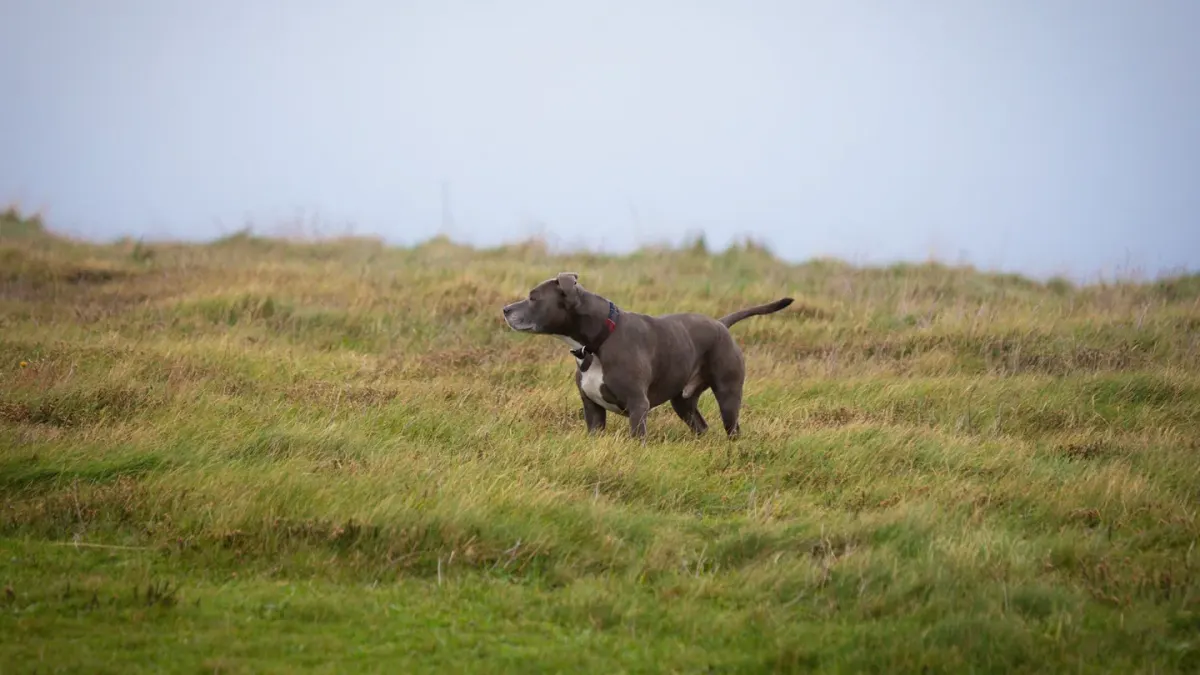
Yes — socializing counts as real enrichment for dogs, but only when the dog gets to choose the pace.
Here is my quick checklist before you count any greeting, playdate, or class as enrichment:
- Choice first: can your dog approach, pause, and walk away without pressure on the leash
- Matched partners: one calm dog beats five wild ones, especially for puppies and shy adults
- Short and readable: loose body, play bows, and sniff breaks mean the brain is still learning
- Clean exits: you can increase distance in seconds when arousal spikes, freezing, or lip-licking stacks up
- Recovery counts: your dog settles within minutes afterward, not hours of pacing or shutdown
If you cannot check most of those boxes, call it exposure, not enrichment — and pick a different plan for that day.
A four-year-old, 62-pound Labrador mix came in for sound sensitivity and evening restlessness, and his owner worried he was under-socialized because he ignored other dogs on walks. At home he shadowed her from room to room, barked at hallway noise, and took three weeks to settle after a boarding stay. We mapped his week and found almost no chosen social contact, only forced sidewalk greetings. We swapped those for two weekly sniff walks with one steady neighbor dog plus parallel walking with no face-to-face greeting. By day 10 the owner reported he offered a play bow on trail and then napped for two hours, which told us social time had shifted from defense to learning.
Why I still reach for social time and the quiet workbench
Western neurology and integrative work point to the same idea. The social brain learns through safe novelty, prediction, and recovery, and gentle contact, scent exchange, and cooperative movement may help support normal calm behavior and cognitive flexibility. That is how I think about the modality — not what it cures, but how social contact is thought to work through arousal regulation and learned safety.
The AVSAB position on early puppy socialization makes the developmental case clearly, especially for positive, well-managed exposure during sensitive periods. For daily ideas that keep that learning going without flooding, I like the practical framework from the ASPCA on mixing social, sensory, and cognitive enrichment.
Choice is the enrichment.
That is why I defend this recommendation: prioritize chosen, low-pressure social contact over forced mingling. The strongest counterargument is fair — many adult dogs prefer people or solo sniffing to dog-dog play, and dog parks overstimulate them. I agree with the observation and still land on yes, because social enrichment includes calm co-existence, parallel walks, training class settles, and greeting a trusted visitor, not just wrestling.

When social time stops being enriching
An 18-month-old, 45-pound herding mix taught us the tradeoff the hard way. Her owner, hoping to tire her out, took her to a busy off-leash park four evenings in a row. The first night she chased for 20 minutes. By night three she was pinning, barking in faces, and unable to recall, then she paced until midnight. We stopped the park entirely for three weeks and replaced it with long-line decompression walks, one-on-one play with a known 50-pound partner, and food puzzles at home. Her recall returned because her nervous system finally had room to choose and recover, which is exactly what flooding takes away.
Watch for trigger stacking. A bath, a vet visit, a loud walk, then a party with six dogs is not a social plan. It is a stress pileup. Dogs that need more solo mental work often do better with the daily structure outlined in How Much Mental Enrichment Does an Adult Dog Need Daily?
The edge case that changes the prescription
An 11-year-old, 38-pound beagle mix with a stiff gait and cloudy eyes still lit up when her favorite teenage neighbor visited, yet she hid when a young visiting terrier rushed her. Same house, same day, opposite responses. We kept the teen visits with gentle grooming and treat scatters, ended all rough dog-dog play, and added short porch sniff sessions where she could watch the street from a mat. Within three weeks in that routine she was seeking the mat on her own and sleeping through the night again. For aging minds, calm human contact often outranks dog play for true enrichment, a shift I describe more in Enrichment for Senior Dogs: Keeping Aging Minds Sharp.
So use socializing as a dial, not a duty. Offer it, read the body, protect the exit, and let rest lock in the lesson.
That quiet pairing of contact and recovery is where the imaging study and the acupuncture needle agree.
Frequently asked questions
How much socializing counts as enrichment?
Think in minutes of good quality, not hours. A 10- to 20-minute parallel walk or calm play session with breaks often enriches more than an hour at a chaotic park.
Is the dog park good social enrichment?
It can be for confident, well-matched players with space to disengage. For many dogs, smaller playdates, training classes, and sniff walks together provide the same social learning with less arousal.
What if my dog does not like other dogs?
Social enrichment still counts. Calm people time, co-existing near steady dogs at a distance, and cooperative training may help support normal social confidence without forced greetings.