Are Onions Toxic to Dogs? What Every Form of Onion Does to Red Blood Cells
Onions don't have to be raw or plentiful to hurt a dog — a few spoonfuls of sautéed onion folded into a pot of soup can be enough to damage red blood cells that don't show trouble for days.
On this page
A family I worked with years ago had a beagle named Gus, ten years old, thick through the middle in the comfortable way older beagles get, who had a habit of parking himself under the high chair during dinner. One evening the toddler dropped half a serving of French onion soup, and Gus — being Gus — cleaned it up before anyone could stop him. Nobody panicked that night. He ate his usual breakfast the next morning. It wasn’t until the third day, when his gums looked pale and he didn’t want his walk, that his owners called me. That lag is the part people don’t expect, and it’s the part that matters most.
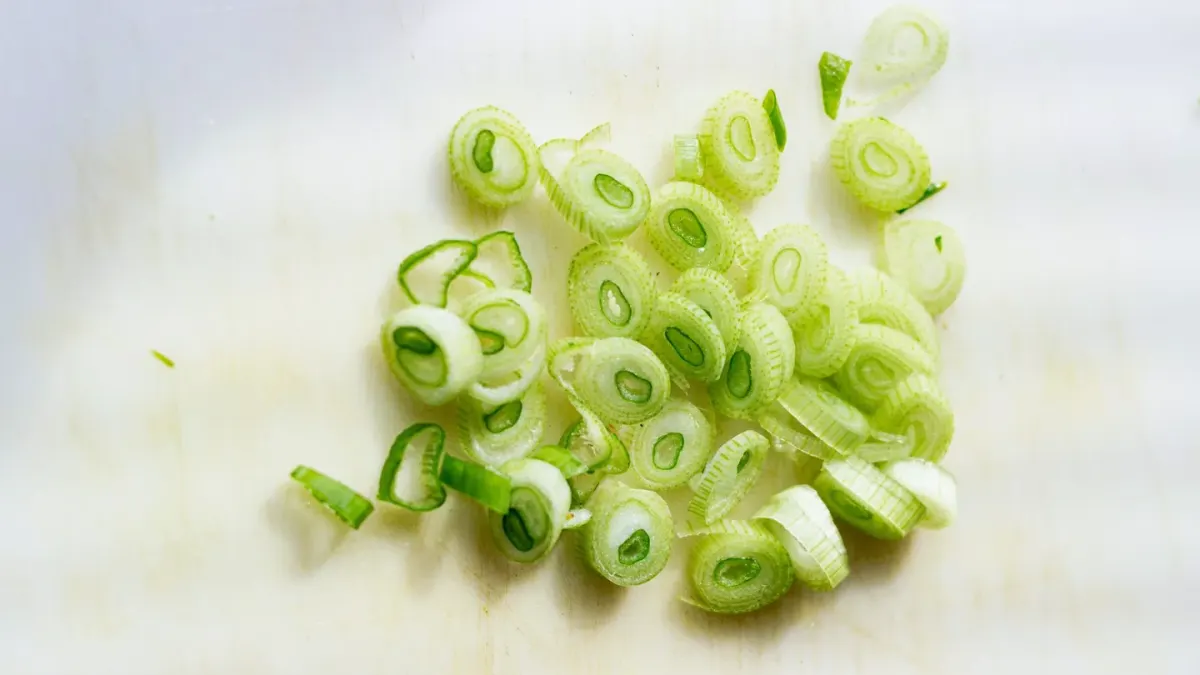
Onions are toxic to dogs in every form they come in — raw, cooked, dehydrated, powdered, or folded into something else entirely, like broth, gravy, or a seasoning blend. The Merck Veterinary Manual lists onion and the rest of the allium family — garlic, leeks, chives, shallots — as a cause of Heinz body hemolytic anemia in dogs, cats, and several food-producing species. The compounds responsible are organosulfur thiosulfates, and cooking or drying an onion doesn’t neutralize them. If anything, powdered and dehydrated onion is more concentrated by weight than the raw bulb, which is exactly why a seasoning packet or a broth cube can carry more risk than the sliced onion sitting next to it on the cutting board.
What thiosulfates actually do to a dog
The mechanism is oxidative, not irritant. Thiosulfate compounds attack hemoglobin inside the red blood cell, and the damaged hemoglobin clumps together into what’s called a Heinz body — a small, visible defect that a lab can spot on a blood smear. A red blood cell carrying enough of that damage gets pulled out of circulation by the spleen, and if enough cells are removed at once, the dog becomes anemic. According to Pet Poison Helpline, Heinz bodies and early markers of red cell damage can show up within about a day of ingestion, but the outward signs — weakness, pale or yellowish gums, a fast heart rate, dark or orange-tinged urine — often don’t surface for several days. That delay is why an onion exposure so often gets waved off as nothing: the dog looks fine on day one because the damage hasn’t caught up with the body yet.
How much onion actually causes harm
Owners want a single number, and I understand why — it feels like it should make the decision simple. The honest answer is that it depends on the dog’s size and how concentrated the onion is. The American Kennel Club notes that roughly 100 grams of onion per 20 kilograms of body weight — about a medium onion for a 45-pound dog — is enough to produce toxic effects, though smaller or repeated exposures add up too, since the damage is cumulative rather than reset with each meal. That’s a useful anchor, but I’d rather owners think in terms of concentration than in terms of a single threshold: a teaspoon of onion powder is a much bigger dose, gram for gram, than a teaspoon of diced raw onion, because the water has already been removed. A dog nibbling a raw onion ring off the floor is a different event than a dog finishing a bowl of onion-thickened gravy.
An older experimental study indexed on PubMed fed dogs onion extract and tracked the anemia it produced, and it’s part of why the toxic mechanism here is considered well established rather than anecdotal — the red cell damage is measurable and repeatable, not a folk warning that happened to stick. I bring that up because I still hear, more than I’d like, some version of “my grandmother’s dog ate table scraps with onion in them his whole life and lived to fourteen.” I don’t doubt that story. But one dog’s tolerance isn’t a dosing guideline, and the dogs who show up in an emergency room with hemolytic anemia are rarely the ones who got a dramatic amount all at once — they’re usually the ones who got a little, regularly, from a well-meaning kitchen.
The counterargument, and where I still land
The strongest pushback I hear is reasonable: dogs evolved alongside human households, table scraps have always existed, and most dogs who steal a bite of onion-seasoned food never end up in my exam room. That’s true. A single lick of onion dip is not the same risk as a bowl of French onion soup. But I’m a hospice and palliative-care vet, which means the dogs I see are often already older, already managing something else — arthritis, early kidney changes, a heart murmur we’re watching — and a body that’s already working hard doesn’t have the same reserve to absorb an oxidative hit to its red blood cells. For a young, healthy dog, one small unintentional exposure is unlikely to be an emergency. For a senior dog, or one with any existing anemia or organ strain, I’d rather the family treat “no onion, in any form, ever” as the simple rule, because the exception-tracking is where mistakes happen. Comfort and steadiness matter more to me than a family feeling like they have to police every bite at every meal, and a flat rule accomplishes that better than a sliding scale.
If your household cooks with a lot of onion and garlic — soups, sauces, roasted vegetables — the practical fix isn’t panic, it’s separation: your dog’s food stays unseasoned, and the pan drippings, the broth, and the vegetable scraps go in the trash, not the bowl. If you’re rethinking what does belong in a shared kitchen routine, a feeding setup that keeps your dog’s bowl and your prep area physically apart makes the rule easier to keep — something we’ve covered in our piece on mats and trays for a messy eater’s feeding station. And if you’re looking for produce that is safe to share in modest amounts, our guide on whether dogs can eat sweet potato covers a food that, unlike onion, has a real place in a dog’s diet when prepared plainly.
One of the dogs I’ve carried through hospice care, a fourteen-year-old shepherd mix named Daisy with early kidney disease, had an owner who called me in a genuine panic after finding an empty container of French onion dip and a suspiciously clean coffee table. Daisy weighed about sixty pounds, and the container hadn’t held much — maybe two tablespoons, mostly sour cream. We watched her closely rather than rushing to the emergency clinic: normal energy, normal gum color, no vomiting over the following three days, and her recheck bloodwork came back unremarkable. That outcome doesn’t mean onion dip is fine to share on purpose. It means a small, dilute exposure in a dog without much red cell reserve to spare still turned out okay, and that the response that mattered wasn’t fear — it was watching for the specific, delayed signs and having a plan for what to do if they showed up.
If your dog gets into onions
Don’t wait for symptoms to call. Because the anemia can take days to become visible, a same-day call to your veterinarian or an animal poison control line matters more than watching and waiting — Pet Poison Helpline and your regular vet can help you weigh the amount eaten against your dog’s size and health history, and decide whether inducing vomiting or running early bloodwork makes sense. If your dog is already showing pale gums, unusual tiredness, vomiting, or dark urine, that’s not a call-in-the-morning situation. Bring bloodwork current if your dog is a senior or has an existing condition, since a baseline makes it much easier to tell whether a Heinz body count is climbing.
Where this leaves a family at the dinner table
I don’t think most families need to overhaul how they cook. I think they need one settled rule they don’t have to relitigate every night: no onion, no garlic, no allium of any kind, in any form, ever goes into the dog’s bowl or gets left somewhere a dog can reach it. That rule is boring, which is exactly its value — it doesn’t require judgment calls about how much sautéed onion is “probably fine,” and it holds up on the exhausting nights when nobody wants to think that hard about leftovers. For a healthy young dog, the margin for a rare accident is real. For an older dog, or one already carrying something else, I’d rather that margin never get tested at all.
Frequently asked questions
Is a small amount of onion powder in gravy dangerous for dogs?
It can be, because powdered onion is more concentrated than raw onion by weight. A small amount seasoning a large batch of gravy shared over a meal can add up, especially for a small or senior dog, so it's safest to keep any onion-seasoned sauce or broth away from your dog's bowl entirely.
How soon would I see symptoms if my dog ate onions?
Often not right away. Red blood cell damage can begin within about a day, but visible signs like pale gums, weakness, or dark urine may not appear for several days, which is why a call to your vet after a known exposure matters even if your dog seems fine.
Are green onions and chives just as risky as yellow or white onions?
Yes. All members of the allium family — onions, garlic, leeks, chives, and shallots — contain the same thiosulfate compounds and are treated as equally concerning regardless of color or variety.
Sources
- Garlic and Onion (Allium spp) Toxicosis in Animals — Merck Veterinary Manual
- Onions Are Poisonous To Dogs — Pet Poison Helpline
- Can Dogs Eat Onions? Is Onion Safe for Dogs? — American Kennel Club
- Experimental onion-induced hemolytic anemia in dogs — PubMed