Why a Dog Gets Anxious at Busy Rest Areas and How to Help
A preventive-care guide to rest-area anxiety in dogs — what triggers it, how stress physiology works, and low-stress steps for calmer potty breaks.
Rest areas overload a dog's senses at once, so your job is to make each stop shorter, quieter, and predictable.
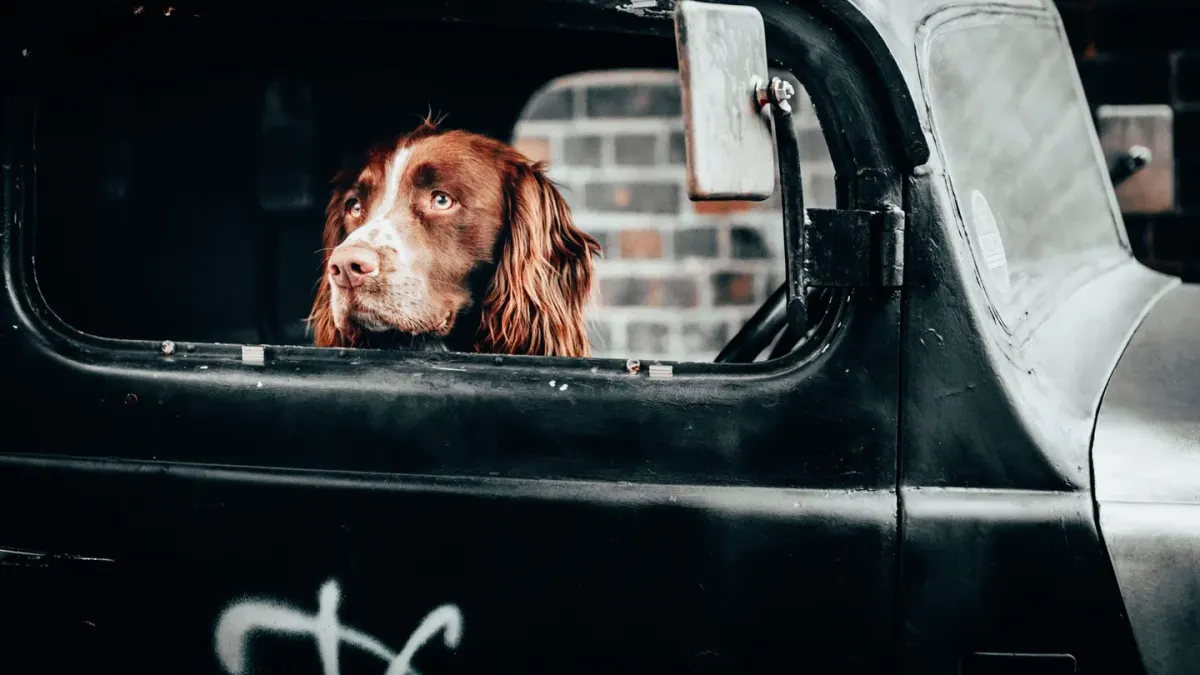
A 4-year-old 42-pound cattle-dog mix came through my counseling room after a summer drive from Kansas to Colorado, and the owners were confused. She rode beautifully for 310 miles with her head on the back seat, then fell apart at a crowded rest plaza outside Limon. Panting, drooling, scanning, refusing to sniff grass ten feet from idling trucks, she planted her feet and backed out of her collar when a bus air brake hissed. They asked if she was suddenly carsick or stubborn. She was neither. She was flooded.
That flooding is predictable once you understand the mechanism. A busy rest area stacks novel sights, sounds, smells, footing, and social pressure into a five-minute window. Diesel vibration, slamming doors, food trash, unfamiliar dogs staring at close range, and a tired owner rushing the leash all arrive while cortisol and adrenaline are already elevated from hours of confinement and motion. Threat detection in the amygdala overrides the prefrontal habit of “go potty on cue,” the sympathetic nervous system drives panting, pacing, lip licking, yawning, and avoidance, and learning shuts down. Expectation first, the way I tell every road-trip client: your dog is not misbehaving, and you cannot train through a full stress response in that moment.
What hits them all at once at the plaza edge
Think in layers, not single triggers. Noise is abrupt and inescapable: air brakes, motorcycles, dumpsters, hand dryers echoing from the restroom breezeway. Smell is intense: urine marks from hundreds of dogs, gasoline, grills, trash barrels in August heat. Footing changes from car mat to hot concrete to prickly xeric grass in twenty steps. Social space collapses because narrow sidewalks force on-leash greetings your dog never chose.
Confinement before the stop matters too. After hours with limited movement, muscles are stiff and arousal is high, so the first blast of freedom feels frantic rather than relieving. The American Veterinary Medical Association reminds owners to plan for confinement, ventilation, and frequent safe stops, because travel itself is physiologically demanding before you add crowds. If baseline needs are thin — no water for three hours, missed nap, tight harness — tolerance for novelty drops further.
The body language I want you to read early
Whale eye, tucked tail, low crouch, repeated shaking off when not wet, and a sudden inability to take treats are all distance-increasing signals. Many owners wait for barking or lunging. I would rather you intervene at lip licking and scanning.
One failed shortcut shows up often. An owner with a young shepherd mix told me they tried to “get him used to it” by walking straight through the busiest dog strip at noon, treats in hand, thinking more exposure would settle him. He refused all 5 treats they offered, pulled toward the car, then urinated in the back seat within minutes of loading. Flooding did not teach calm. It taught that rest areas predict helplessness, and the next stop started worse. The tradeoff is real: pushing through saves four minutes now and costs you easier stops for the rest of the trip.
How to make the next stop quieter by design
My evidence-bounded position is simple: control distance and duration before you reach for supplements, wraps, or new gear. Distance lowers intensity faster than anything you can buy. Park at the far edge, walk the perimeter first without asking for elimination, and let the nervous system downshift for two to three minutes. Keep the leash loose on a well-fitted harness, body angled sideways to traffic, and allow sniffing as the primary job. Sniffing engages parasympathetic tone and gives the dog choice, which is the opposite of flooding.
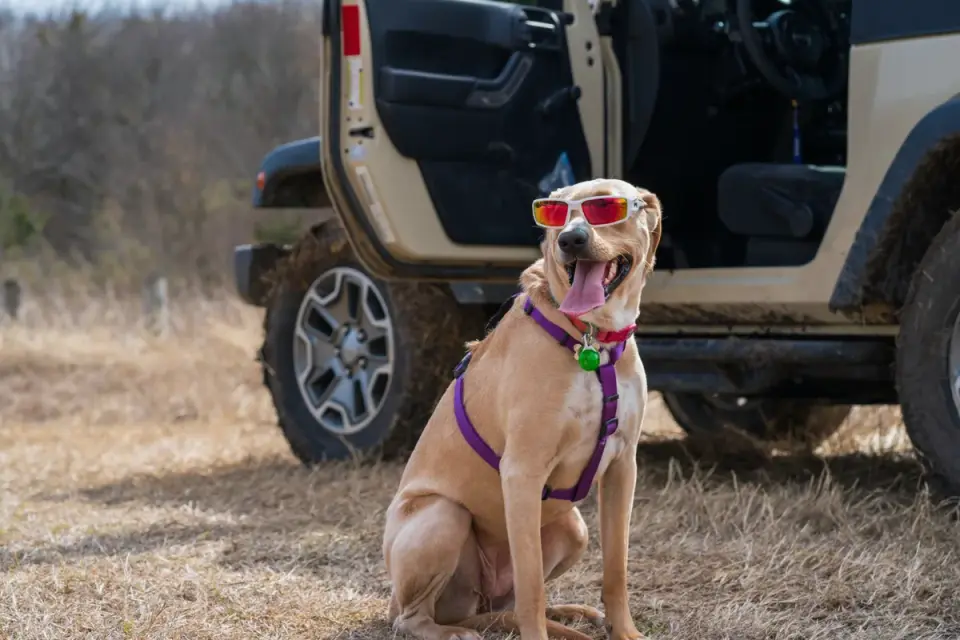
Keep the routine identical every time. Same door, same short phrase, same grass-first loop away from other dogs, then water, then load. Predictability may help support calmer behavior because the brain can classify the sequence as safe. The Merck Veterinary Manual describes how fear-based avoidance in dogs escalates when exposure is intense and inescapable, which is exactly what graded, choice-based exposure avoids. What would change my mind is a well-controlled trial showing that a calming supplement alone outperforms distance plus routine at rest areas. We do not have that, so I do not lead with products.
Practical details matter more than marketing. Time stops for off-peak minutes when you can, use the far lawn rather than the concrete pet corral, and keep greetings to zero. Carry water and offer it before the walk, not only after. If your dog will not eliminate in five minutes, reload calmly and try a quieter exit in 30 to 45 minutes rather than circling the crowd. For restraint choices between stops, my separate comparison of Dog Car Seat Belt vs Crate vs Barrier: Which Restraint Is Safest? walks through crash and distraction tradeoffs that also affect how settled a dog arrives.
When the usual walk-the-edge plan has to bend
A client driving with an 11-year-old arthritic dog weighing 68 pounds could not do the far-grass loop I usually recommend. The dog panted heavily after 40 steps on hot pavement, then froze near the curb as foot traffic streamed past. Forcing distance would have traded anxiety for pain. We bent the plan completely: they parked in shade with engine off and windows cracked for ventilation, one person stayed with the car while the other scouted a 15-foot patch of shade beside the car, and they used a non-slip mat and a supported sling for a two-minute sniff-and-pee break right there. They skipped the “proper” pet area, kept the engine cool-down routine short, and added an extra quiet fuel stop instead of one long plaza break. Size and age change logistics, as I outline in Traveling With a Small Dog vs a Large Dog: What Actually Changes, and pain always raises anxiety.
Low-stress handling applies here too. Avoid reaching over the head, avoid dragging by the collar, and reward check-ins rather than demanding heel position. The Fear Free Pets library is a useful primer on reading subtle stress and giving animals agency during handling, and the same principles fit a parking lot.
Give the plan two to three days of consistent stops before you judge it. Calmer potty breaks build by repetition, not by one perfect plaza.
Frequently asked questions
Should I comfort my anxious dog at a rest area or will that reinforce fear?
Calm, quiet support does not reinforce fear. Speak softly, create distance from triggers, and reward small moments of checking in or sniffing. Avoid loud scolding or forced greetings, which raise arousal.
How long should a rest-area break be for an anxious dog?
Aim for short and successful: 3 to 5 minutes in the quietest spot you can find. If your dog cannot sniff, take treats, or eliminate, reload calmly and try again at a quieter stop rather than extending a flooded stop.
When should I call my veterinarian about travel anxiety?
Call before the trip if anxiety includes panic, escape attempts, aggression, vomiting, diarrhea, drooling that soaks the chest, or shutdown that lasts after loading. Those signs deserve a preventive plan and a medical rule-out, not just training tips.
Sources
- Traveling With Your Pet — American Veterinary Medical Association
- Resources for Dog Owners — Fear Free Pets