What "Airline-Approved" Actually Means for a Dog Carrier
No governing body issues an "airline-approved" seal — it just means the carrier meets your airline's own cabin rules.
On this page
A client came in three weeks before a flight to Denver with a French Bulldog named Biscuit, four years old, 26 pounds, and a brand-new carrier still in the plastic wrap. The carrier had “Airline Approved” printed right on the tag in gold letters. I unzipped it, set Biscuit inside, and watched him try to turn around. He couldn’t. His shoulders touched both sides, and when he sat up his head pressed the mesh roof. The tag was accurate about nothing except the marketing department’s confidence. That gap — between what a label promises and what actually fits a real dog — is the whole story with this category, and it’s worth understanding before you spend money.
There’s No Official Seal, and That’s the Part Nobody Tells You
“Airline-approved” is not a certification any regulator issues. There’s no agency that inspects a carrier and stamps it fit for flight the way the FAA certifies an aircraft part. What actually governs your trip are two separate rulebooks: the construction and ventilation standards published in the Live Animals Regulations from the International Air Transport Association, and your specific airline’s own cabin dimension policy, which can vary by aircraft type on the same route.
A carrier can meet IATA’s container-construction standard and still be too tall for the seat pitch on a regional jet. Both things can be true. That’s why the honest answer to “which carrier is airline-approved” is: whichever one your airline’s current policy accepts for your specific flight, checked the week you book — not a badge printed at the factory months earlier.
What the IATA Standard Is Actually Built to Prevent
IATA’s container rules exist for cargo-hold and larger in-cabin kennels, and they’re specific for a reason. Ventilation openings need to cover roughly 16 percent of the container’s surface area, spread across all four sides, with most of it on the upper portion. For dogs, ventilation gaps can’t exceed about one inch by one inch — small enough that a paw or nose can’t get caught or wedge through under stress. Wood or plywood crates require welded wire mesh, and any “Live Animal” sticker has to go on a solid panel, never over the mesh, so airflow isn’t blocked by a label meant to be helpful.
None of that is decoration. A dog that can’t ventilate properly in a hot cargo hold or a crowded jet bridge is a genuine emergency, and the rule exists because it has happened.
The Checklist I Actually Walk Clients Through
Forget the marketing copy. Here’s what I have owners do in the exam room, with the actual dog, before they order anything:
- Stand the dog up naturally inside the carrier — hips, shoulders, and head should all clear the sides and roof without hunching.
- Turn the dog in a full circle. If he has to back out and re-enter to reposition, it’s too small.
- Lie the dog down flat, legs extended, not curled. That’s the resting position for a multi-hour trip.
- Check the base for a leak-proof floor and confirm zippers lock rather than just close — anxious dogs find gaps.
- Weigh the dog with the carrier. Most U.S. carriers cap combined pet-plus-carrier weight for in-cabin travel, and that number is stricter than most people expect.
I’ve had owners come back genuinely surprised that the “medium” size they bought online fit a 14-pound terrier with room to spare but left a 17-pound one hunched. Weight class on a listing is a rough guess. Your dog’s actual shoulder height and body length are the only measurements that matter, and you want a soft margin, not an exact match — a carrier a dog can barely squeeze into gets worse, not better, three hours into a flight. If your route requires a size check at the gate, this is also the difference between boarding smoothly and getting rebooked. For a full walkthrough of the booking, paperwork, and gate-day sequence, our complete guide to flying with a dog covers the rest of that timeline.

Cargo Changes the Math Entirely
Cabin carriers are one conversation. Cargo is another, and it’s the one I get the most nervous calls about. Airlines widely restrict or refuse cargo transport for brachycephalic breeds — Bulldogs, Pugs, Boston Terriers, and similar flat-faced dogs — because their airway anatomy makes heat and stress in an unpressurized-feeling hold genuinely dangerous, not just uncomfortable. Seasonal heat embargoes are common too, where airlines simply won’t accept any dog in cargo above certain ground temperatures at origin, layover, or destination.
Paperwork timing catches people off guard as well. USDA APHIS is clear that its role covers export paperwork, while destination countries set entry rules and airlines set their own transport requirements — three different authorities, not one. A federal health certificate can be considered valid for up to 30 days, but most domestic airlines want one issued within 10 days of travel, so booking the vet visit around the airline’s window, not the government’s, is what actually keeps a trip on schedule.
I worked with a family flying a 9-month-old Labrador puppy to a new duty station, and the health certificate they’d gotten six weeks early — thinking earlier was safer — had already expired by the time their flight got rebooked twice. We had to redo it two days before departure. Book that appointment as close to your confirmed flight date as the airline’s window allows, not as early as your calendar allows.
Practice Beats Panic
This is the part I’ll defend every time: the carrier should be boring to your dog before the airport, not a novelty. Start leaving it open at home two to three weeks out, feeding meals inside it, letting your dog nap in it on a quiet afternoon. By week two, close the zipper for short stretches while you’re in the room. By the week of the flight, you want a dog who walks in on cue and settles, because the actual travel day adds noise, motion, and strangers on top of a small space — and that’s not the moment to introduce it for the first time.
One senior Beagle I see, 11 years old and mildly arthritic, needed a carrier with a low-profile zip-down side so she didn’t have to step up and over a raised lip with a stiff hip. Her owner found that out only after two failed practice sessions at home, a full month before the trip, which gave them time to exchange it. That’s the value of practicing early: you find the wrong carrier while there’s still time to return it, instead of at the security line.
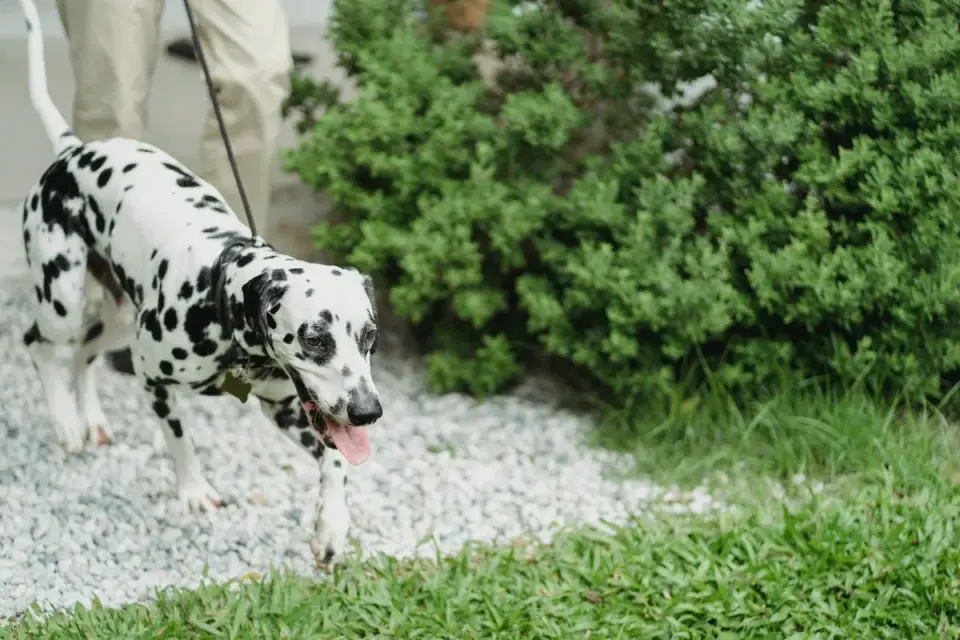
Gut upset from travel stress is common enough that some owners ask about supporting digestion around a flight; our guide to probiotics for dogs walks through named strains and doses if that’s on your radar for a longer trip.
The Bottom Line
Buy for your dog’s actual body, confirmed at home standing, turning, and lying flat, and then confirm your specific airline’s current cabin or cargo policy the week you book — that combination is what “airline-approved” really means, no matter what the tag says.
Frequently asked questions
Is there an official "airline-approved" certification for dog carriers?
No. It's a marketing phrase, not a regulatory stamp. What matters is whether the carrier meets your specific airline's current cabin or cargo policy and lets your dog stand, turn, and lie down.
What size carrier does my dog actually need?
Bring your dog to the carrier before you buy or fly. He should be able to stand without hunching, turn a full circle, and lie flat with legs extended — that matters more than the "small/medium/large" label.
How early should I get a health certificate for a flight?
Time it to your airline's requirement, typically within about 10 days of travel for domestic flights, rather than getting it as early as possible — certificates can expire before a rebooked flight.
Sources
- Live Animals Regulations — IATA
- Navigating Pet Travel? Let APHIS Help. — USDA APHIS