Can Tart Cherry Support a Calmer Dog? What Vets Know So Far
Tart cherry gets buzz for sleep and calm in people, but what does that mean for dogs? A vet explains melatonin, anthocyanins, and what to check before you share the fruit.
I get excited about food that does more than fill the bowl, but tart cherry has not earned a calming starring role for dogs yet.
On this page
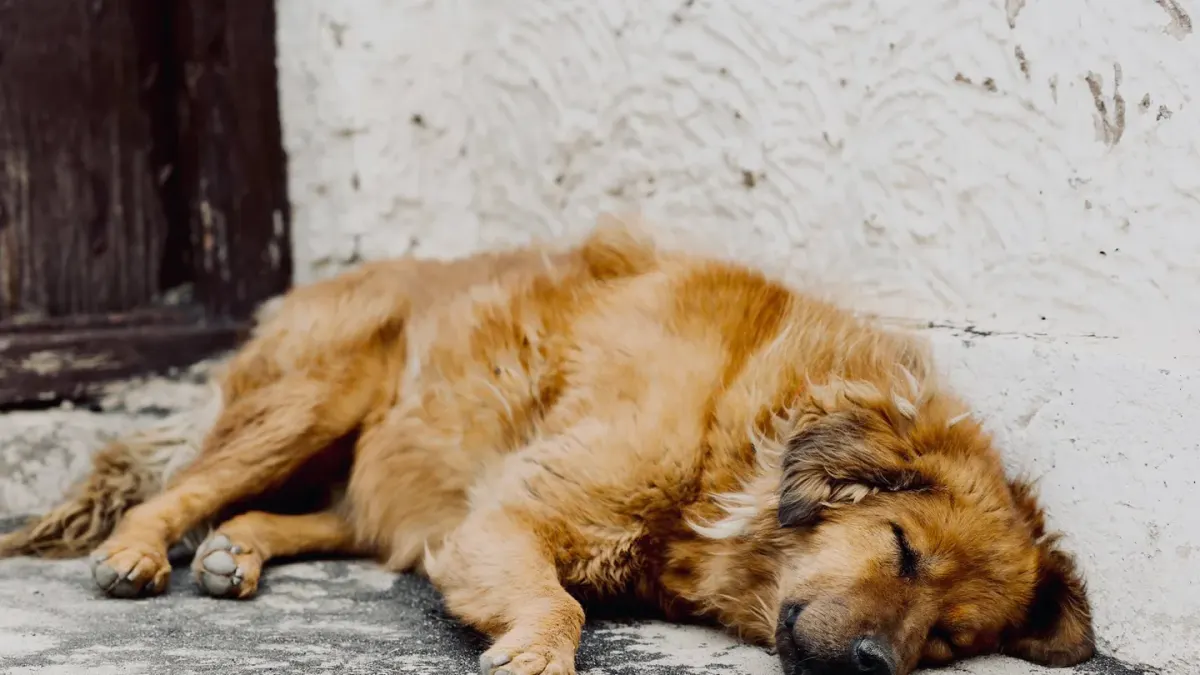
Dinner is done, the house is finally quiet, and your restless dog is still circling the rug instead of settling. When a neighbor mentions tart cherry juice for sleep, it is tempting to wonder if a little fruit could help.
Before you pour anything, here is my quick flip-the-bag checklist:
- Fruit form matters more than hype: whole tart cherry, juice, and concentrate are very different in sugar and dose, and pits and stems do not belong in the bowl.
- Calm is usually about sleep pressure: tart cherry in people is studied for sleep timing, not for fear, separation distress, or storm panic.
- Sugar and gut fallout come first: juice can loosen stool and add calories fast, especially for small dogs.
- Meds and health history change the answer: dogs on sedatives, blood pressure drugs, or with kidney disease, diabetes, or cherry allergy need a vet check first.
- Routine still does the heavy lifting: evening walk, dim lights, consistent bedtime, and a proven calming plan beat any single ingredient.
If you want the short version, that list is the whole story. The rest is why I read labels that carefully.
A few summers ago a family came in talking about bedtime pacing. Their dog was a seven-year-old, 62-pound hound mix who would pant and reposition for almost an hour after the 10 p.m. lights-out, then doze in short bursts. They had tried a late-night cherry juice splash in water for five nights and wondered if melatonin from fruit was helping. We talked through meals, evening exercise, pain, and what settling actually looked like on camera. We kept the focus on consistent last-out timing, a cooler sleeping spot, and a vet exam for stiffness. Food stayed food, and calm stayed a routine question.
Flip the bag before you believe the cherry
Daiyum Bowl rule number one applies here too. Turn the package over and read the guaranteed analysis and full ingredient split, not the front-of-bag promises.
Tart cherry juice from concentrate can carry 20-plus grams of sugar per cup, while freeze-dried powder or whole pitted cherries have fiber but still have natural sugars. Sweetened dried cherries often add sugar and sometimes xylitol-sweetened blends nearby on the shelf, which must never enter a dog home. I also reject whole cherries with pits, cherry stems, and anything labeled cherry flavor that is mostly juice cocktail.
What I do like is plainness. If an owner is already feeding fruit as treats, a few pitted tart cherries as part of the daily treat allowance is a cleaner test than a sugary drink. That keeps calories honest and avoids a gut surprise overnight.
What people studies actually looked at
Tart cherry interest comes from two threads: natural melatonin and anthocyanin polyphenols that researchers have studied around sleep quality and recovery in adults.
Small human trials of tart cherry juice reported longer sleep time and better sleep efficiency, including the pilot work published in the Journal of Medicinal Food and the follow-up trial published in the European Journal of Nutrition. Those studies were short, small, and in people, not dogs, and they measured sleep diaries and melatonin metabolites rather than daytime anxiety.
That distinction matters in practice. Sleep support is not the same as fear support.
A dog who cannot settle because of noise phobia, separation distress, or pain needs a different plan than a dog with a fuzzy bedtime rhythm. For storm and noise worries, I lean first on the layered approach I outline in How to Calm a Dog During Thunderstorms: An Integrative Vet’s Layered Approach and on checking the full supplement panel the way I describe in Dog Calming Chews: What’s Actually in the Bag, and What It’s Doing.
It is one short paragraph, but it sets expectations.

When fruit backfires in the bowl
The middle case I see is the sensitive stomach. A three-year-old shepherd-type dog from an active household had started getting a quarter-cup of tart cherry juice over dinner for restlessness during evening wind-down. Within three nights the owners counted four extra outdoor trips for soft stool and more midnight whining, not less. We stopped the juice, returned to plain water, split dinner a little earlier, and added a quiet chew-and-settle period after the last walk. Stool firmed up in about 48 hours.
That tradeoff is common. Acidity plus sugar plus a new routine can create exactly the restlessness we hoped to fix. Dogs with diabetes, weight gain, chronic kidney disease, or a history of pancreatitis or GI upset are poor candidates for juice experiments. Cherry pits are also a choking hazard and contain amygdalin, which can release cyanide when chewed, so any whole fruit must be fully pitted and fed sparingly.
If your dog takes trazodone, gabapentin, fluoxetine, blood pressure medication, or diabetes medication, do not stack tart cherry concentrate on top without your veterinarian. Natural melatonin content varies, and drowsiness plus prescription sedation is not a do-it-yourself combination.
Where the usual sleep advice has to bend
Senior dogs bend every rule. A 12-year-old, 18-pound terrier mix I followed slept 14 hours a day yet paced from 2 to 4 a.m., standing in hallways and staring at walls. The owner hoped tart cherry powder marketed for recovery might smooth the nights. We talked instead about canine cognitive dysfunction, vision change, nighttime pain, and needing to urinate, and we moved the last potty break to within 30 minutes of bed after a short 0.3-mile sniff walk. The vet added a nightlight, non-slip rugs, and a pain reassessment, and held fruit treats to two or three pitted cherries twice a week for calorie control.
For that age group, calm at night is often comfort, toileting, and brain aging rather than a missing superfruit. That is also when I point families to Melatonin for Dogs: What the Mechanism Actually Supports (and Where the Evidence Runs Out) so they can see why measured melatonin dosing under vet direction is different from variable fruit melatonin.
Where I land on tart cherry for calm
I defend a food-first position, but bounded by dose and evidence. Plain pitted tart cherries can fit as an occasional fruit treat for a healthy adult dog who tolerates fruit, counted inside the treat allowance. I do not recommend tart cherry juice, concentrate, or powder as a calming protocol, for storms, separation, or vet-visit fear, because the dog data are not there and the sugar and GI costs are real.
If nights are the issue, build the evening around light, movement, and timing. Walk, last out, dim house, same bed, same hour. If fear is the issue, train and desensitize during the day and use calming ingredients with named doses and clearer study histories. Keep tart cherry where it belongs: a small, honest fruit, not a fix.
Practical next step: skip the juice bottle this week, track three nights of settle time and wake-ups on paper, and bring that log plus your dog’s med list to your vet. That conversation will do more for calm than any cherry label.
Frequently asked questions
Can dogs have tart cherries?
Fully pitted, plain tart cherries can work as an occasional treat for healthy adult dogs, counted in the daily treat allowance. Avoid pits, stems, sweetened dried cherries, juice, and any product with xylitol.
Will tart cherry juice calm my dog before storms or fireworks?
There is no dog evidence for that use, and juice adds sugar that can upset the stomach. Use noise desensitization, a consistent safe space, and a vet-approved calming plan instead.
Is tart cherry the same as giving melatonin?
No. Tart cherry contains only small, variable amounts of natural melatonin. Measured melatonin supplements dosed by your vet are different from fruit, juice, or powder.
Sources
- Effects of a Tart Cherry Juice Beverage on the Sleep of Older Adults with Insomnia: A Pilot Study — Journal of Medicinal Food
- Effect of Tart Cherry Juice (Prunus cerasus) on Melatonin Levels and Enhanced Sleep Quality — European Journal of Nutrition