Can You Crush a Longevity Chew and Sprinkle It on Senior Dog Food?
A vet-informed look at whether crushing NAD+, quercetin, or resveratrol dog chews and sprinkling them on food changes how well they work — and when not to bother.
You can crush most longevity chews and sprinkle them over a senior dog's meal, with a few exceptions.
On this page
The short answer, and why it isn’t universal
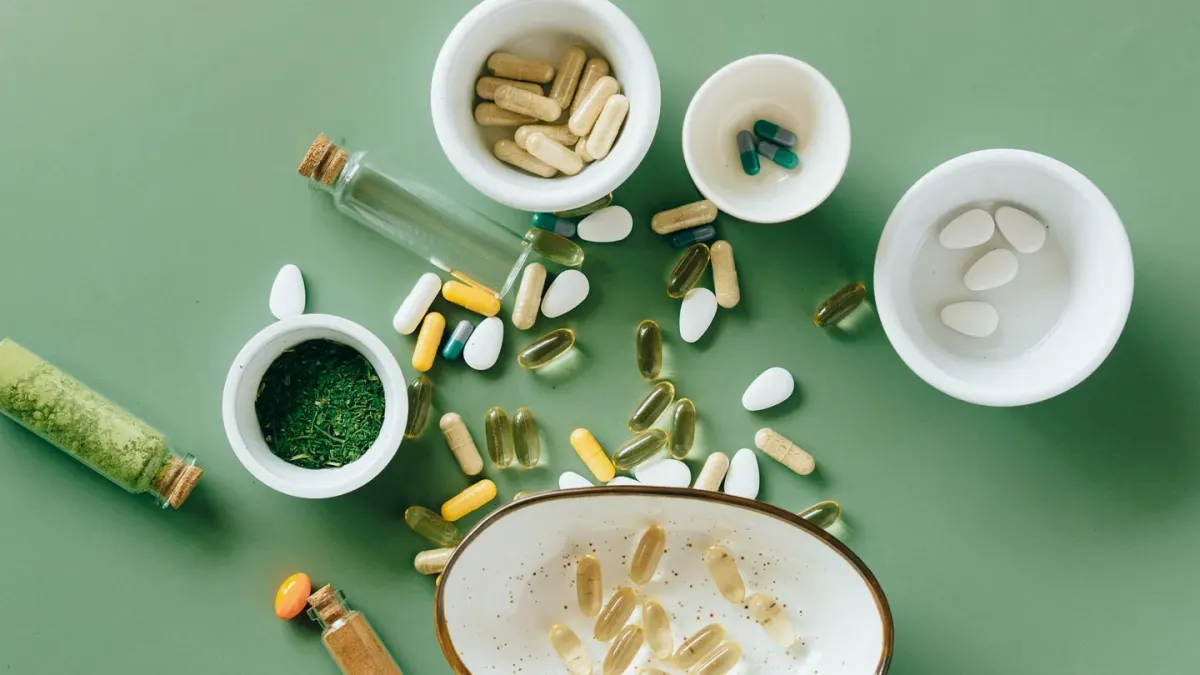
Crushing a longevity chew and sprinkling it over a senior dog’s food is safe for most products on the market today. The exceptions are narrow but worth knowing before you reach for the mortar and pestle: coated tablets, extended-release formats, and anything explicitly labeled otherwise on the package. Everything else — the soft, chewy, single-layer longevity treats that dominate this category — crushes and mixes without meaningfully changing how the ingredients behave once they’re in the gut.
That distinction comes down to formulation, not marketing. A soft chew is essentially a flavored matrix with the active ingredients distributed evenly throughout, similar to a dense treat. There’s no membrane to breach, no timed-release shell to crack open early. A coated or layered tablet is different: the coating exists on purpose, usually to control where in the digestive tract the ingredient releases, or to mask a taste the manufacturer knows is unpleasant raw.
Why some formats are built not to be crushed
Think of enteric coatings the way a pharmacist does for people. According to PetMD, tablets with an enteric coating are designed to dissolve further down the digestive tract rather than in the stomach, and crushing one can mean the ingredient gets exposed to stomach acid too early — which can make it less effective or irritate the stomach lining. That logic was developed for medications, but it applies just as directly to any supplement built on the same delivery technology. If a longevity product’s label mentions a coated or layered tablet, treat it the way you’d treat a prescription: ask before you crush.
Most dog longevity chews don’t use that technology. They’re formulated as soft treats specifically so dogs will eat them whole and happily. Crushing one doesn’t unlock or destroy anything hidden — it just changes the physical form.
What the ingredient research actually supports
Here’s the part worth being honest about: the antioxidant ingredients most common in this category — quercetin and resveratrol — are still being studied mostly in preclinical and model-organism settings, not in dogs eating crushed versus whole chews. A Pharmaceuticals (MDPI) study testing quercetin formulations alongside NAC and ascorbic acid found that, at the concentrations tested, the compounds did not affect feeding behavior in the model organism studied — a reassuring but narrow data point about tolerability, not proof that crushing changes nothing about absorption in a dog. Separately, a resveratrol study in Phytomedicine found that embryonic exposure to a specific resveratrol concentration accelerated development but shortened adult lifespan in the model species tested — a reminder that dose and exposure context matter, and that these compounds aren’t universally benign at every concentration or life stage.
Neither study addresses crushing directly. That’s the honest gap in the literature right now. What we can say with more confidence is mechanical: breaking a soft chew into smaller pieces doesn’t chemically alter quercetin, resveratrol, or NAD+ precursor compounds like nicotinamide riboside. It just changes texture and, often, taste intensity.
A practical routine for crushing and sprinkling
Start by reading the label for words like “enteric-coated,” “extended-release,” or “delayed-release.” If none appear, crushing is almost always fine mechanically. Crush just before serving rather than in a batch — powdered supplements exposed to air and moisture lose potency faster than the intact chew, particularly antioxidant compounds that are sensitive to oxidation. Mix the powder into a small topper of wet food or a spoonful of plain broth rather than the whole bowl, so a picky senior dog who eats slowly still gets the full dose in the first few bites.
Dosing accuracy is the other half of this. The NASC quality seal signals that a product’s manufacturing and label claims have been through third-party process verification — useful context when you’re deciding whether to trust the stated milligram amount on a chew you’re about to crush and split across a smaller portion. That verification is about label accuracy and manufacturing quality, not a guarantee the product will produce a specific result in your dog.
One short caution: never crush and combine multiple supplement products into one “custom blend” without checking with your veterinarian first, especially for a senior dog already on medication. Overlapping antioxidant or NAD+ precursor doses from stacked products is a more realistic risk than anything caused by crushing a single chew.
When to just call the vet instead of guessing
A senior dog who’s suddenly refusing chews he used to take without complaint is sometimes a dental problem, not a pickiness problem — worth a mouth check before you assume crushing is the whole fix. If you’re trying to figure out which longevity ingredients are worth prioritizing in the first place, our guide on what longevity supplement vets recommend for senior dogs walks through the evidence tiers by ingredient. And if the crushed chew is going into a food topper alongside a probiotic, our best probiotic for dogs breakdown is a reasonable next stop for comparing label claims the same critical way.
Most of the time, crushing a longevity chew and sprinkling it over dinner is a non-issue. Read the label once, skip the batch-crushing habit, and loop in your vet if the dog is on other medications or refusing food outright.
Frequently asked questions
Does crushing a longevity chew reduce how much NAD+ precursor my dog actually absorbs?
For most soft, uncoated chews, no meaningful loss has been documented — the active ingredient is distributed through the matrix rather than locked behind a coating. The picture changes for coated tablets, where crushing can affect timing and site of absorption.
My senior dog won't chew anymore. Is powder or crushed chew as effective as the whole piece?
For a soft chew, crushing is usually a fine workaround for dogs with dental pain or reduced interest in chewing. If the label mentions an extended-release or enteric-coated layer, ask your veterinarian before altering the form.
Should I mix a crushed chew into wet food or dry kibble?
Either works mechanically; wet food or a small amount of broth tends to mask bitterness better, which matters most for quercetin and resveratrol, both of which have a noticeably plant-bitter taste when powdered.
Sources
- Can I Crush Medication in My Dog's Food? — PetMD
- NASC Quality Seal — NASC
- Quercetin feeding-behavior study in Pharmaceuticals — Pharmaceuticals (MDPI)
- Resveratrol embryonic-exposure lifespan study in Phytomedicine — Phytomedicine