Caring for a 10-Year-Old Dog: What Changes Day to Day
What daily life looks like at 10 — sleep, appetite, mobility, and routine tweaks that help older dogs stay comfortable.
At ten, your dog needs a steadier rhythm — softer exercise, closer food watching, and quicker vet check-ins.

On this page
You notice it on an ordinary Tuesday morning. The 10-year-old cattle-dog mix who used to beat you to the kitchen is still curled on his bed at 6 a.m., and when he does get up he takes three stiff steps before his stride evens out. That slow start has been building since late September, about six weeks of shorter greetings and longer naps, and you’re wondering whether this is normal aging or something you should be adjusting for. You’re asking exactly the right question, because at ten most dogs don’t need a new life — they need the same life, tuned a little finer.
Over the past year his days have quietly reorganized around comfort. He was a 52-pound dog who once did a full 2-mile loop without thinking, and now he volunteers to turn toward home at the half-mile mark and heads straight for the water bowl. Appetite looks a little more variable too, enthusiastic one evening and picky the next, and nighttime has changed — one or two brief wake-ups where he used to sleep straight through. None of that means you did anything wrong. It means his margin for exercise, food gaps, and lost sleep is narrower now.
Mornings tell you first
Sleep gets deeper and mornings get creakier. Many 10-year-olds sleep 16 to 18 hours in a 24-hour stretch, and you’ll feel it in how long it takes them to really wake up, shake off, and want breakfast.
Give him a ramp-up instead of a launch. Let him potty on leash, offer water, then wait 10 to 15 minutes before food or a walk so stiff joints warm up. The American Veterinary Medical Association notes that senior dogs benefit from more frequent checkups and close monitoring for subtle shifts in mobility, appetite, and behavior, which fits what you’re seeing at home.
Watch the getting-up sequence. Pushing up with the front legs first, a brief stutter on the back legs, then normal walking is common stiffness. Limping that lasts past the first few minutes, yelping, knuckling, or refusing stairs is your cue to call the vet rather than push through.
Keep nights boring and predictable. Same last-potty time, same bed spot, a nightlight for dogs whose vision is fading.
Food, weight, and the bowl in front of you
This is where my nutritionist brain gets loud, because food therapy still does more day-to-day work than any chew or powder.
Most 10-year-olds need fewer calories but the same or slightly higher high-quality protein to hold muscle, and the National Research Council nutrient profiles remain the anchor I use to judge whether a senior diet is complete before I talk about extras. You don’t need to memorize tables — you need to flip the bag over and check the guaranteed analysis for named proteins, AAFCO balance, and fat level that matches his body condition.
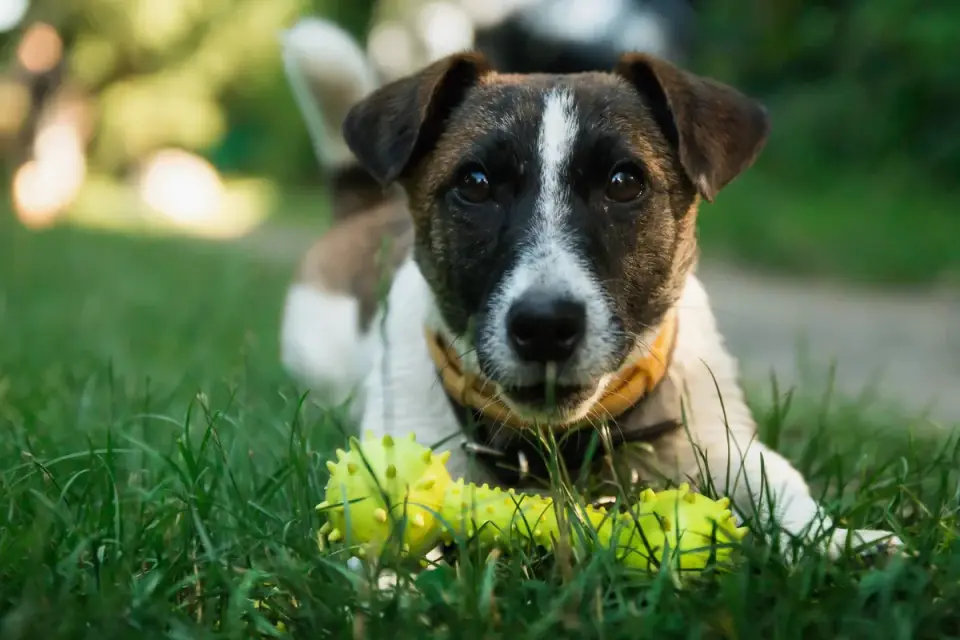
A stocky beagle-type fellow I followed through last winter showed why that matters more than marketing. He’d been free-fed for years, then started leaving a third of his breakfast and begging at 9 p.m., and over eight weeks his ribs disappeared under a new layer of cover. His owner counted it out: three skipped breakfasts a week, then compensating with extra treats at night. We didn’t chase a trendy formula. We weighed meals for 14 days, trimmed treats to under 10% of calories, and split dinner a little earlier so he wasn’t restless overnight. His energy steadied because intake steadied.
Weigh monthly. A 2 to 3% drift in either direction is worth a diet tweak and a vet call if it keeps moving.
Short rations beat skipped meals. If appetite wavers, offer the same balanced food in two or three smaller meals rather than switching proteins every few days.
Movement, mind, and what support can realistically add
Exercise doesn’t stop — it shortens and doubles up.
Trade one long outing for two or three 10- to 15-minute sniff walks, with a rest day built in after a big-play day. Low-impact work like leash walking, gentle hills, and controlled swimming helps maintain rear-leg muscle and joint range without the pounding of fetch marathons. If you want ideas for pacing, this guide to the best daily routine for a healthy senior dog’s vitality lays out a rhythm that matches what I recommend in rehab.
Mental shifts deserve the same attention. Pacing at night, staring at the wrong side of a door, or startling at sounds he once slept through can reflect age-related sensory and cognitive change. You can read more about that last piece in why an old dog startles at sounds he used to ignore and why an old dog shakes or trembles more with age.
Supplements enter here, and I weigh them narrowly: what can they realistically do for diet, mobility, and recovery on top of balanced food? Omega-3s from fish oil, joint-support ingredients with published feeding data, and antioxidant nutrients may help support normal joint comfort, cellular health, and recovery from everyday activity — they don’t rebuild cartilage or reverse aging. Ground that kind of integrative claim in the nutritional evidence in front of you: named ingredient, real dose in mg, feeding trial or peer-reviewed rationale, and a reason it fits this dog’s diet gap.
If a label won’t name the dose, I won’t trust the promise.
When the usual advice has to bend
Not every 10-year-old follows the textbook, and the bent plan is often the right one. A lanky 10-year-old terrier mix I checked in on last fall lived for his morning ritual — 22 stairs down to the yard, then back up for breakfast — until arthritis made evenings miserable. The standard advice would have been fewer stairs and more rest. Instead his owner kept the beloved morning descent once daily, carried a sling for the evening trip, and added a non-slip runner plus a 7 p.m. potty break so he didn’t have to hold it all night. He was 10 years and 4 months old at the time, and that single preserved ritual kept him engaged while total stair counts still dropped by half.
That’s the model: protect what gives the day meaning, cut volume everywhere else, and let comfort decide.
Call your vet promptly for rapid weight loss, new incontinence, heavy panting at rest, sudden vision loss, collapse, or behavior change that lasts more than two to three days. Senior panels every 6 to 12 months catch kidney, thyroid, dental, and pain issues that masquerade as “just getting old.”
You’re not trying to make him young again. You’re making ten feel good.
Frequently asked questions
How much exercise does a 10-year-old dog need each day?
Most do best with 20 to 40 minutes total, split into two or three short leash walks with sniff time, plus gentle play. Shorten the outing if stiffness lasts more than a few minutes afterward.
Should I switch to a senior dog food at age 10?
Not automatically. Keep a complete and balanced diet that holds lean muscle and healthy weight, then adjust protein, fat, and joint-support nutrients with your vet based on body condition and bloodwork.
Sources
- Senior Pet Care for Pet Owners — American Veterinary Medical Association
- Nutrient Requirements of Dogs and Cats — National Research Council