How to Find Dog-Friendly Rest Stops for Trips
A vet's plan for mapping safe potty breaks, fenced areas, and shade before a road trip with your dog.
Map fenced potty areas and shade before you leave, so rest stops stay calm and predictable for your dog.
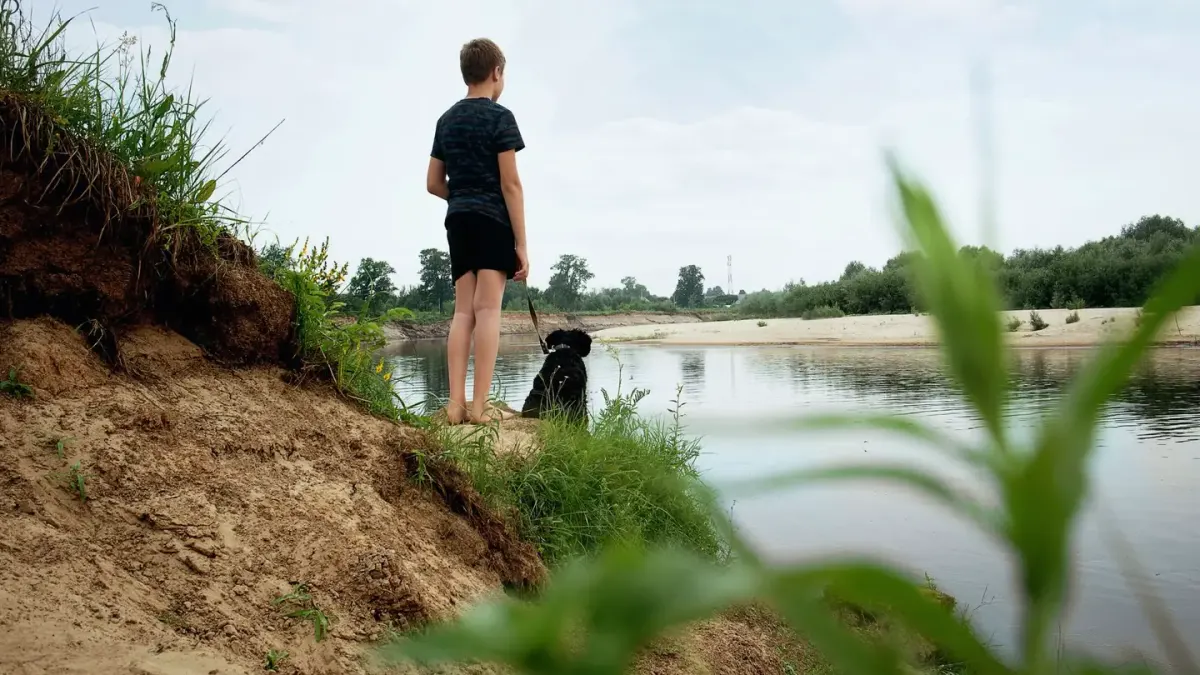
Lynn from Peoria, Illinois was planning a 9-hour drive with Taquito, her 7-year-old spayed female Border Terrier, who needs a potty break about every 2 to 3 hours and gets buzzy around off-leash dogs. She did what I wish more owners would do: she mapped the breaks before she packed the cooler. That expectation-first approach may help support calmer travel, because a rest stop is not just a pin on a map — it is traffic noise, hot pavement, strange dogs, and a tired bladder all at once.
I counsel clients to pick stops for predictability, not just proximity to the highway. Vets often see travel stomach upset and leash lunges that started at a chaotic stop an hour earlier.
Map the route in 2-hour chunks first
Open your route and work chronologically, marking a possible stop every 100 to 150 miles. For most adult dogs, that is every 2 to 3 hours for water, sniffing, and a bathroom break. Puppies, seniors, and a big dog like Ladybird, the 5-year-old Great Dane from El Paso whose owner Anne plans around extra leg-stretch room, may need shorter intervals.
Use two layers: interstate rest areas and dog-specific parks just off the exit. State DOT sites and apps like iExit or Google Maps can show which exits have a traditional rest area, while BringFido, Sniffspot, and AllTrails reviews can flag fenced dog areas and trailheads. If you are weighing size differences on space and setup, Traveling With a Small Dog vs a Large Dog: What Actually Changes may help support your packing plan.
Cross-check anything that matters in satellite view. A green blob can be a retention pond, not grass.

Judge the stop like a vet tech would
A truly dog-friendly stop has four things: separate small and large areas when fenced, shade, clean water access, and room to park away from truck idling and trash. Fencing with double gates, 4-foot-plus height, and posted rules is a good baseline. No fence can replace a leash and supervision.
The American Veterinary Medical Association reminds owners to keep dogs leashed, secure in the vehicle, and never left alone in a hot car, with water and waste bags packed for every stop. I echo that baseline for every client, because heat and loose dogs cause more travel emergencies than anything fancy.
Skip stops with only a narrow gravel strip next to 70-mph traffic if your dog is sound-sensitive or reactive. Drive five more minutes for grass.
Confirm the details the week you leave
Hours, fence construction, and pet policies change fast. Call the county park, check the rest-area page, and read reviews from the last 3 months for mentions of broken gates, burrs, or aggressive encounters. The U.S. Department of Agriculture notes that interstate travel may involve health certificates and vaccine records, so keep those photos on your phone in case a boarding facility or off-route park asks.
Pack for the stop itself: 6-foot leash plus backup slip lead, long line for decompression sniffs where allowed, water and collapsible bowl, poop bags, towel, and a frozen Kong for the crate afterward. Good restraint between stops matters just as much; Dog Car Seat Belt vs Crate vs Barrier: Which Restraint Is Safest? reviews the trade-offs.
Plan for illness prevention too. Standing water and heavy dog traffic raise exposure to parasites and kennel cough. The Centers for Disease Control and Prevention advises regular veterinary preventive care and hand hygiene after handling pets and waste, which is exactly what rest-stop breaks require.
Keep the routine boring on purpose.
Same side of the car, same potty cue, short sniff walk first, then water in the shade. If Taquito freezes or barks, increase distance and leave early — no stop is worth a rehearsal of fear.
Sources
- Traveling With Your Pet — American Veterinary Medical Association
- Pet Travel — U.S. Department of Agriculture
- About Healthy Pets, Healthy People — Centers for Disease Control and Prevention