Living With a Dog in a Cold Old Building
A preventive-care guide to keeping dogs warm, dry, and comfortable in drafty older homes, from bedding to drafts to winter routines.
Old radiators and drafty windows change the rules, and your dog feels every cold spot first.
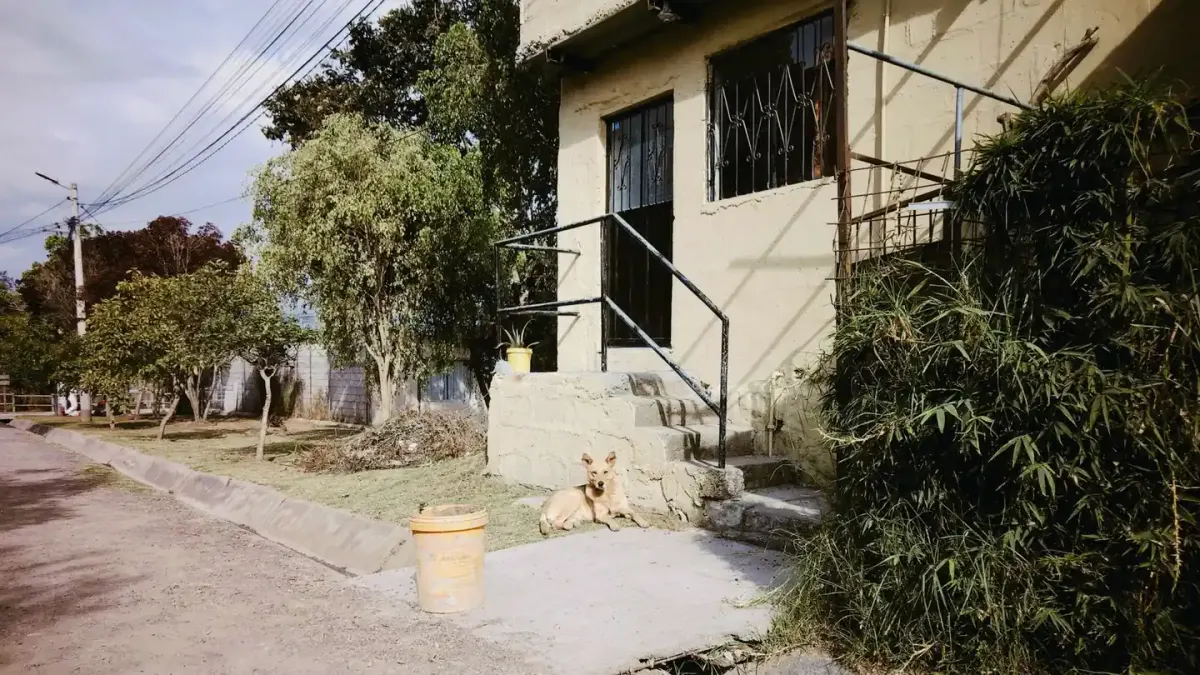
The first night in our walk-up, my 9-year-old, 62-pound Labrador mix curled tight against the radiator wall and still shivered. Three weeks in, I realized the problem was not the thermostat setting. It was the floor. Cold air poured under the front door, the single-pane windows rattled, and the wood floor stayed icy long after the heat kicked on. He started choosing the small rug in the hallway over his bed in the living room, and by day 10 he was slower to get up in the morning. That choice told me everything about living with a dog in a cold old building.
Dogs lose heat fast through paws, belly, and thinly coated areas when they rest on cold surfaces. In day-to-day practice I see the same pattern every winter: healthy adult dogs that support their routine well in fall start to hesitate on stairs, drink less water, and lick dry paws once indoor temperatures swing. The American Veterinary Medical Association notes that cold exposure can threaten comfort and health even indoors when shelter is drafty or damp, which describes a lot of pre-war apartments and old houses.
Where the cold actually lives
Forget the thermostat for a minute and get low. Feel along baseboards, outlet covers, window frames, and the gap under the door. Older buildings leak heat at those joints, and your dog rests right in that draft layer.
I prioritize floor warmth before anything else. A raised cot plus a washable wool-blend blanket supports joint comfort better than one thick pillow sitting directly on hardwood. Keep the bed off exterior walls and off tile if you can, and add an interlocking foam mat underneath to break the chill. If you already added traction on slippery ramps, use the same thinking here: warm, grippy footing may help maintain confidence for seniors.
Keep bedding dry and washable. Damp wool or a wet towel after a walk pulls heat away fast.

What I tried that did not work
Last January I thought a heavy fleece sweater would solve it for a 4-year-old, 18-pound terrier mix who slept in a drafty back bedroom. By day 5 the owner reported the opposite: the dog panted under the covers at night, then shivered by the window in the morning, and started chewing the sweater armpits raw. We had added heat without fixing airflow. The room still dropped into the low 60s overnight, the bed sat against an exterior brick wall, and the sweater trapped moisture after evening walks. Once we moved the crate setup for better nighttime comfort, following the same close-to-family logic I use for setting up a crate for a puppy’s first night, and added a draft stopper, the dog slept uncovered most nights and only wore the sweater for outdoor breaks. Clothing helps, but it cannot compensate for a cold sleeping spot.
It is a good reminder to dress for the walk, not for the apartment.
A dry coat or sweater for short-coated, small, senior, or lean dogs outdoors makes sense. Indoors, most healthy dogs do better with warm air and warm bedding than with all-day clothing, which can mat fur and irritate skin.
The routine that holds heat through the night
Old steam heat cycles hard. It blasts, then goes quiet for hours.
That swing matters more than the average temperature.
Feed on schedule, water lukewarm but fresh, and walk before the evening cool-down so paws can be rinsed and fully dried. The American Society for the Prevention of Cruelty to Animals recommends wiping paws after winter outings to remove salt and de-icers, and in practice that quick rinse plus a paw balm may help maintain paw pads when hallways are mopped with salt tracked in from outside. I keep a towel and a shallow paw cup by the door from December through March.
Watch water intake. Dogs sometimes drink less when the bowl sits in a cold corner. Move it to a lived-in room and wash it daily.
For overnight, close the bedroom door to hold warmth, run a cool-mist humidifier if the air is parched, and avoid space heaters with exposed elements. Tip-over shutoff and a three-foot pet-free zone are non-negotiable.
The thick-coat surprise
A 6-year-old, 78-pound Husky mix taught me the edge case I now warn about. Two weeks after her family sealed the living room windows with plastic film and added a heated blanket, she started panting at night and moved to the tile entry to sleep. The owners worried she was sick. She was simply overheated. Thick double coats trap warmth, and what supports a lean senior can overwhelm a northern breed. We turned off the heated layer, gave her an unheated cot in the cooler hallway, and kept the warm cave bed for the daytime cat. Her sleep normalized within four nights. The American Kennel Club points out that coat type, age, and size change cold tolerance, and indoors that cuts both ways. If you live with a thick-coated breed, borrow ideas from cooling options for thick-coated breeds at home even in winter: offer a cooler resting choice and let the dog vote with its feet.
My position after years of drafty-apartment cases is simple. Control the microclimate around the bed first, then adjust food, walks, and clothing around it.
The strongest counterargument is to just turn up the heat. It feels kinder. In leaky buildings it often creates hot ceilings, cold floors, dry noses, and higher bills without fixing the draft layer where dogs actually sleep. I still land on sealing, elevating, and layering the sleeping spot because that is what keeps morning stiffness and nighttime restlessness down in practice, even if the evidence on exact indoor temperature cutoffs is thin.
Keep one warm room truly warm rather than the whole apartment lukewarm.
Frequently asked questions
How cold is too cold inside for a dog?
Most dogs rest comfortably in the mid to upper 60s indoors with draft-free bedding, while puppies, seniors, and small short-coated dogs may need a warmer sleeping spot and a coat for outings. Watch for curling tight, shivering, cold ears and paws, or reluctance to settle.
Should my dog wear a sweater indoors in an old building?
Usually no for all-day wear. Fix drafts and elevate the bed first, then use a sweater mainly for walks. If you use one indoors for a lean or senior dog, remove it overnight and check for rubbing and damp fur.
Are space heaters safe with dogs?
They can be if you choose a stable model with tip-over shutoff, keep a three-foot buffer, never leave it unattended, and hide cords. Radiator covers, draft stoppers, and layered bedding are lower-risk first steps.
Sources
- Cold-Weather Animal Safety — American Veterinary Medical Association
- Cold Weather Safety Tips — American Society for the Prevention of Cruelty to Animals