What to Ask Your Vet When Your Dog Starts Getting Old
A vet-guided checklist for the first senior visit — screening, pain, cognition, diet, and what to ask before adding supplements.
Ask your vet these targeted questions when your dog starts slowing to separate normal aging from treatable disease.
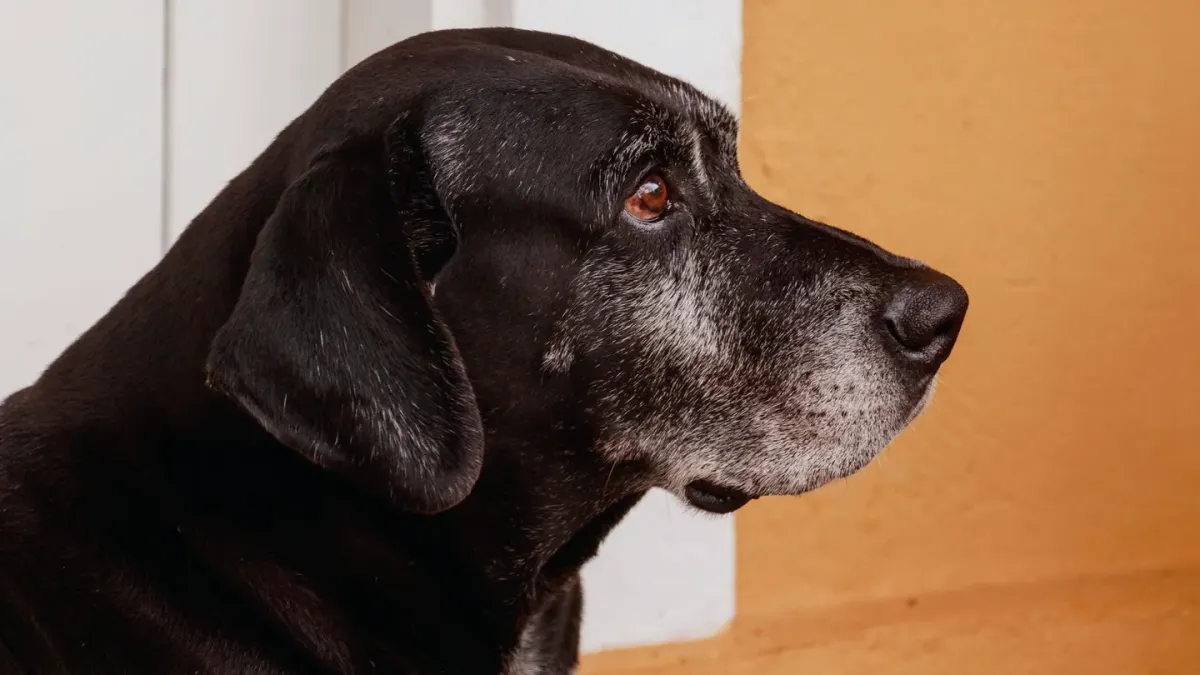
He was not limping, exactly. A 9-year-old cattle-dog mix, about 38 pounds, started pausing at the bottom of the three porch steps he had run up for years, and over about 6 weeks his owners noticed he needed a beat, then a second push, to follow them inside after evening potty breaks. Appetite was fine. Tail still wagged. The question they brought in was the one I hear most in emergency follow-ups: is this just getting old, or is this something we should work up before we try to support it with food or supplements?
That distinction is the whole visit. Aging itself is not a diagnosis. What looks like slowing down is often the sum of small physiologic shifts — lean muscle loss, stiffer cartilage, lower cardiac reserve, reduced kidney concentrating ability, and slower neural processing — that lower the margin for compensation. According to AVMA, dogs are generally considered senior around 7 years depending on size, and that stage calls for closer monitoring and twice-yearly exams rather than waiting for obvious illness.
What aging changes before lab work changes
Inside, the shifts are mechanical and metabolic before they are visible. Chondrocytes maintain cartilage less efficiently, synovial fluid thins, and periarticular muscle weakens, so a joint that was comfortable now hurts after rest or overuse. At the same time, glomerular filtration gradually declines, liver clearance slows, and body composition shifts toward less muscle and more fat at the same scale weight.
That is why I prioritize staging and supportive care over labels. A complete baseline — weight trend, body and muscle condition scores, orthopedic and neurologic exam, blood pressure, eye and dental exam, plus bloodwork and urinalysis — tells us whether we are supporting normal structure and function or treating disease. Support maintains what is working. Treatment targets diagnosed pain, infection, organ disease, or cognitive dysfunction. The two are not interchangeable, and no supplement bridges that gap without a diagnosis.

The questions that sort support from treatment
Bring a short log and ask for specifics, not reassurance. I tell owners to ask in this order, because the answers set everything else.
Ask what life stage your dog is in for their size and what screening interval fits now. Large and giant breeds age faster than small breeds, and Cornell University College of Veterinary Medicine notes that nutrition, weight, mobility, and cognitive changes all deserve routine senior review, not just vaccines. Ask what the weight trend and muscle score show. A stable scale weight can hide muscle loss if fat has replaced it.
A broad-chested senior Boxer I saw as a follow-up shows the tradeoff I reject most often. He had skipped 5 of his usual 14 morning walks over two weeks because mornings were stiff, so his owner doubled a joint chew from the pet store and cut kibble to control weight. He came back weaker, not better. Without an exam we had missed bilateral shoulder stiffness plus overgrown nails that shortened stride, and the calorie cut had cost lean muscle. Support without staging had moved the wrong lever.
Ask directly about pain: where, when in the day, and what would change it. Ask what dental disease, vision or hearing loss, or early cognitive change could explain nighttime restlessness or house-soiling. Ask what diet and protein level fits this dog’s kidneys, weight, and muscle, judged on the guaranteed analysis and ingredient split. Ask what exercise dose is safe — surface, duration, warm-up — rather than whether exercise is allowed.
I get genuinely excited about good food for dogs! Named proteins, clear fat and fiber levels, and honest calorie content earn that.
When the usual plan has to bend
The standard advice is shorter, more frequent walks, soft bedding, rugs on slick floors, and rechecks in 3 to 6 months. Sometimes the dog tells you to bend it.
A 13-year-old terrier-type, maybe 16 pounds, had gone from trotting our usual 0.6-mile morning loop to stopping and scanning halfway down the block, then pacing and vocalizing from 2 to 4 a.m. three nights that week. The owner had expected arthritis and wanted a mobility plan. On exam the joints were achy but stable; the bigger change was sundowning-type confusion, startling at familiar sounds, and getting stuck behind furniture. We bent the plan toward brain health first: nightlight and consistent bedtime routine, daytime enrichment and brief sniff walks instead of distance, hearing and vision checks, and a medical workup for causes of sudden confusion before discussing any long-term support.
That is consistent with guidance to seek prompt care for sudden behavior change rather than attributing it to age, a point detailed further in When to See a Vet About Sudden Confusion in a Senior Dog and Why an Old Dog Shakes or Trembles More With Age. New tremor, startling, or nighttime vocalizing deserves the same staging as a limp.
My evidence-bounded position is this: do the medical staging first, then use diet, exercise, and any structure/function support to maintain mobility, muscle, and daily vitality — not to treat arthritis, kidney disease, or dementia. What would change my mind is straightforward: randomized, placebo-controlled trials in aging dogs showing a defined ingredient at a defined dose improves a defined function, like gait speed or validated pain scores, with safety data. The current longevity literature does not carry that yet for dogs.
Your practical next step is a senior visit with numbers. Bring two weeks of appetite, water, sleep, walks, stairs, and accidents, plus all foods and chews with doses. For daily structure between visits, see The Best Daily Routine for a Healthy Senior Dog’s Vitality.
Frequently asked questions
How often should a senior dog see the vet?
Most senior dogs benefit from exams every 6 months with weight, muscle condition, blood pressure, and lab trends reviewed, with sooner visits for pain, appetite change, increased thirst, cough, tremor, or confusion.
What should I bring to the first old-age visit?
Bring a 2-week log of food, water, walks, stairs, sleep, and accidents, plus photos of labels for all diets, treats, and supplements with doses and start dates.
Should I start a longevity or joint supplement before the visit?
Ask for diagnosis first. Supplements can support normal structure and function but do not treat arthritis, organ disease, or cognitive dysfunction — staging pain, labs, and diet comes first.
Sources
- Senior Pets — AVMA