Can Dogs Eat Bell Peppers? A Neurologist's Prep-First Guide
Yes, plain bell peppers are safe for most dogs in small amounts. Learn which colors to pick, how to chop and cook them, and when to skip them.
Plain, chopped bell pepper is one of the crunchiest low-calorie treats I actually like for dogs — if you prep it right and keep the portion small.
Yes, most dogs can eat bell peppers, and red ones are the ones I reach for first. They are sweet, crunchy, low in calories, and far safer than the onion or garlic sitting next to them on the cutting board.
That last point matters more than people think. Bell peppers sit in the nightshade family with a scary reputation, which is why owners ask. The fruit itself is not listed as toxic, unlike true hazards you can check on ASPCA Animal Poison Control. The leaves and stems are bitter and best left out of the bowl, but the crisp flesh is dinner, not an ER call.
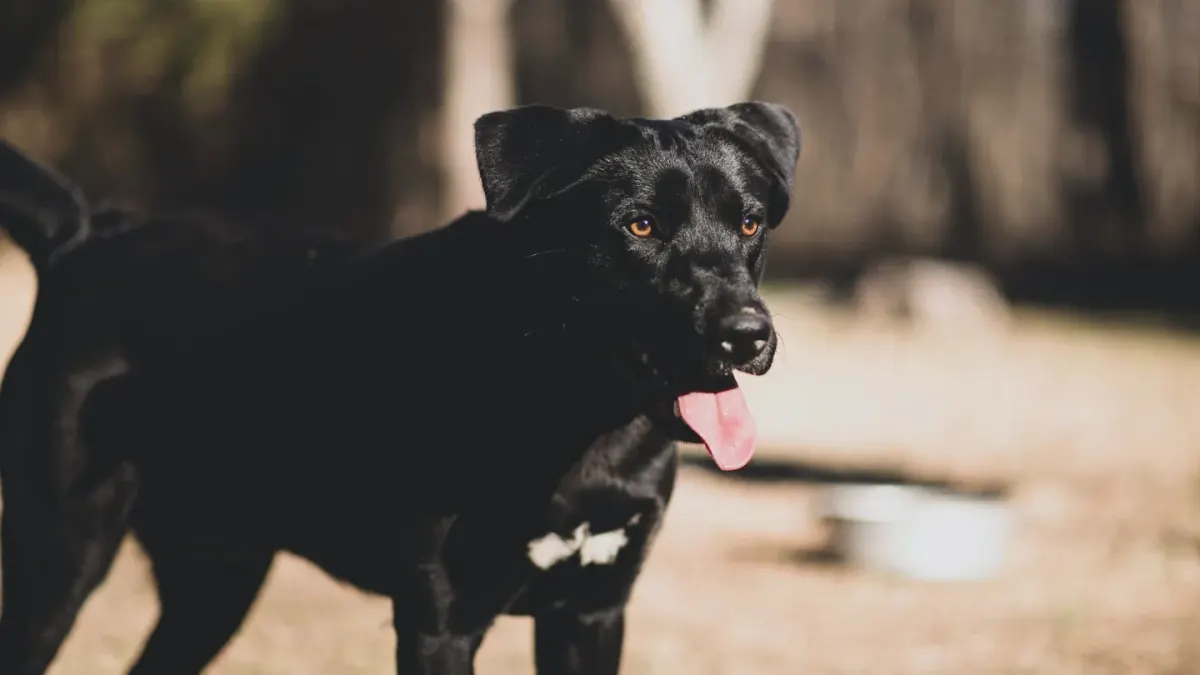
A 9-month-old intact male Labrador, 32 kg, barreled into the kitchen during Sunday meal prep while his owner diced peppers for fajitas. She wanted a clear yes or no before sharing. We talked through what mattered that day: no onion on the board, no seasoning on his piece, and size cut down so he would chew instead of inhale. She gave him three thumbnail-sized cubes of red pepper, about 15 grams total, and watched. He crunched, drooled, begged for a fourth, and had normal stools that night and the next morning. That 48-hour window without vomiting or diarrhea was the marker that let us keep peppers on his treat list.
Wash, seed, and chop small. That is the whole job.
Start with a fresh, plain pepper. Rinse it, pull the stem, scoop out the seeds and white pith, and dice the flesh into pea-sized pieces for a small dog or thumbnail-sized pieces for a large dog. Keep the first serving to one to two tablespoons, mixed into dinner or offered as a training reward. Watch stools for 24 hours before you repeat it.
Why I like red over green for most dogs
All bell peppers are safe when plain, but they are not identical in the bowl. Green peppers are just unripe, firmer and slightly more bitter. Red, orange, and yellow peppers have ripened longer and tend to be sweeter and softer, which most dogs prefer.
Nutrition explains part of that preference. Sweet red peppers carry substantially more vitamin C and vitamin A precursors than green ones, a difference you can verify gram-for-gram in U.S. Department of Agriculture: USDA FoodData Central. Dogs make their own vitamin C in the liver, so I do not supplement it to fix a deficiency. I think of it here as what it is mechanistically: a water-soluble antioxidant that may help support normal handling of oxidative stress, which is how the Vitamin C Fact Sheet from the NIH Office of Dietary Supplements describes its role in redox biology. Not a cure, just part of a colorful diet.
That mechanism is why I stay anchored to how a food is thought to work, not what it might cure.
Cook it soft if your dog inhales food
Raw pepper is fine for a careful chewer. For gulpers, seniors with worn teeth, or dogs with sensitive stomachs, cook it lightly.
Steam or saute a small batch with no oil, butter, onion, garlic, salt, or hot seasoning for 4 to 5 minutes until just bendable. Let it cool completely, then chop. Skip pickled peppers, jarred roasted peppers in oil and vinegar, and anything with chili heat.
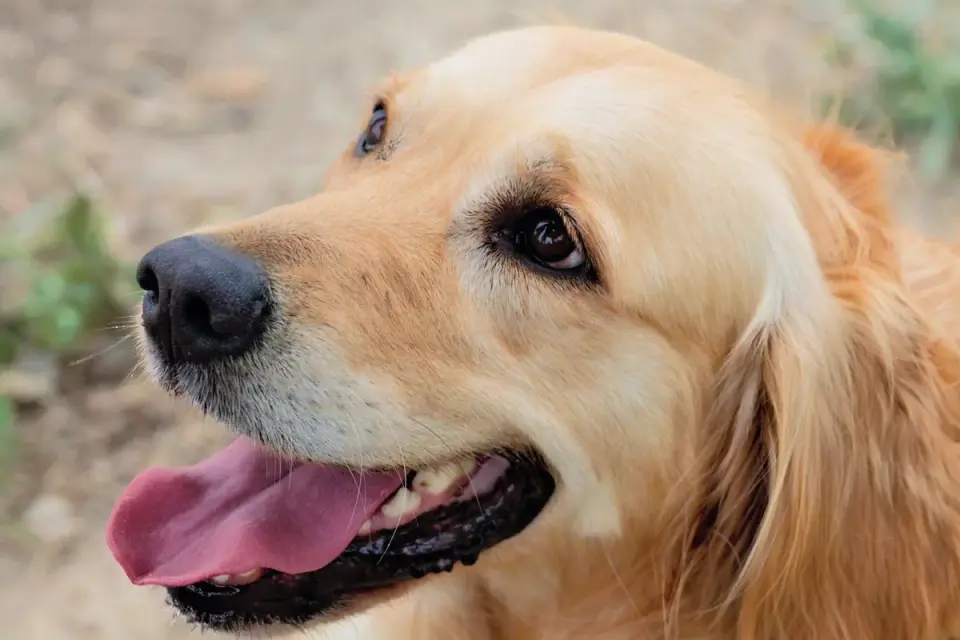
A 6-year-old spayed female French Bulldog, 11 kg, taught me why texture matters. Her owner had tried raw green pepper sticks as a weight-loss chew after cutting commercial biscuits from three per day to zero. The dog crunched twice, swallowed a 5-cm strip whole, then vomited foam 20 minutes later and refused dinner. We changed two things only. We switched to red pepper, steamed soft, diced to blueberry size, limited to two tablespoons per meal. Over the next five nights there was no further vomiting, and her owner kept a simple log of evening walks and stool quality to track tolerance.
One short rule holds here. Small pieces prevent most problems.
When I say skip peppers for now
Peppers are a treat, not a diet base. Keep extras under 10% of daily calories and keep the base diet complete and balanced. Hold peppers entirely if your dog has a history of inflammatory bowel disease flares with raw vegetables, if pancreatitis means your veterinarian has you on strict low-fat control, or if your dog is currently vomiting or having diarrhea from any cause.
Spicy peppers are a different story. Jalapeños, habaneros, and chili flakes contain capsaicin that burns the mouth and can trigger drooling, pawing, vomiting, and belly pain. If you cook a lot with heat, treat peppers like you treat onions: prep the dog portion first on a clean board before you slice anything hot. Owners mixing up safe and unsafe garden foods can compare notes in our guides on Can Dogs Eat Mushrooms? What’s Dinner and What’s an ER Call and Can Dogs Eat Onions? No — Here’s the Dose, the Delay, and Why It Fools Owners.
An 8-year-old neutered male mixed breed, 24 kg, with early kidney disease showed where I bend the usual advice. His owner wanted crunchy treats after his veterinarian moved him to a prescription renal diet in March 2024, with recheck labs due in 6 weeks. Raw vegetables were making him gassy on evening walks around the half-mile loop near their apartment, with audible borborygmi and two soft stools in one week. We did not add peppers on top of the new diet. We waited until his appetite stabilized for 14 straight days, then introduced one tablespoon of peeled, well-steamed red pepper as a topper twice weekly only, with his nephrologist’s phosphorus limits leading every decision.
That tradeoff is common with good foods. A safe ingredient at the wrong time is still the wrong call.
If your dog raids the garden or counter, remove seeds and large chunks from the mouth, save the label or plant tag, and call your veterinarian. For known onion or spicy pepper exposure with drooling, vomiting, or lethargy, do not wait to see if it passes.
You can keep this simple going forward. Buy red first, wash and seed, chop small, serve plain, start with a spoonful. If stools stay firm and your dog chews comfortably, you have added a sweet crunch without adding much energy. If not, pull it and try a blander vegetable your veterinarian prefers, like the options in Can Dogs Eat Apples? A Neurologist’s Take on the Core Question or Can Dogs Eat Blueberries? A Vet Nutritionist’s Take on Portions, Prep, and When to Hold Back.
Sources
- USDA FoodData Central — U.S. Department of Agriculture
- ASPCA Animal Poison Control — ASPCA
- Vitamin C Fact Sheet — NIH Office of Dietary Supplements